Indonesia’s DGCA Online Drone Permits By 2027
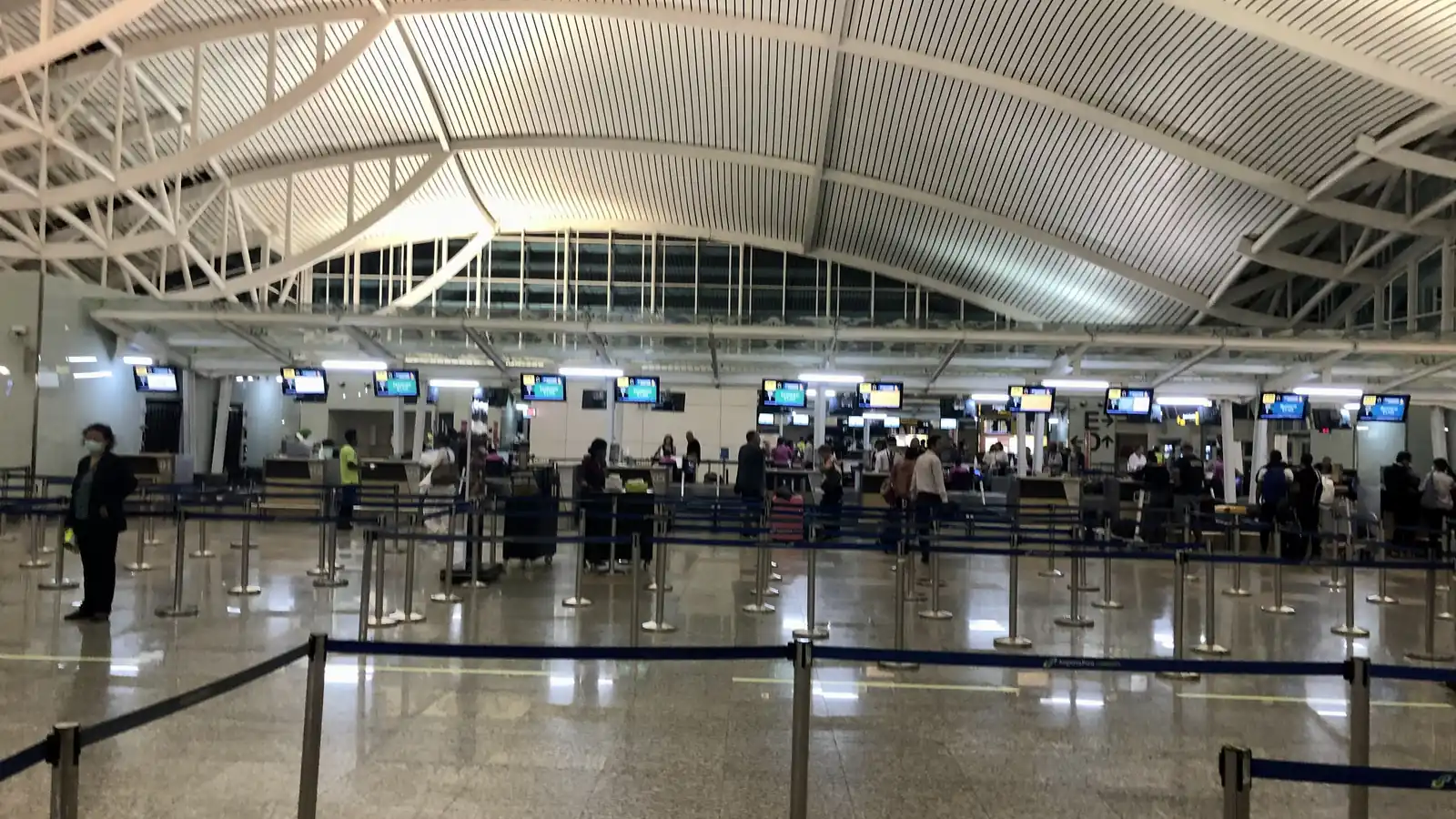
Indonesia’s DGCA is expected to operate a fully integrated online drone permit system by 2027, where applications, invoices, and approvals are handled through a single national portal linked to AirNav and airport authorities. For Bali-based shoots, most permits should be traceable via QR-coded digital letters, reducing reliance on printed approvals by around 70–80%.
How will the indonesia dgca online drone permit system 2027 actually work for Bali projects?
The indonesia dgca online drone permit system 2027 is expected to centralise what is currently a multi-email, multi-portal chain into one login for operators and coordinators. Instead of separate document submissions to DGCA, AirNav, and airport offices, applications will likely flow through a single national interface that routes each request to the correct desk automatically.
For Bali, this should cover Ngurah Rai controlled airspace, KKOP (airport safety zones), and general filming areas across regencies such as Badung, Gianyar, and the increasingly active Tabanan coast. Current rules already require permits for operations in controlled airspace and KKOP under PM 37/2020 and UU No. 1 Tahun 2009. By 2027, these same legal requirements are expected to sit behind a digital front-end that enforces mandatory fields, correct map coordinates, and clear altitude bands.
Evidence of this direction is visible in the existing SMS-FSC digital system already used nationally for Flight Security Clearance and NOTAM coordination. As of August 2026, FSC in Bali is already processed electronically, while most drone filming permits still need manual uploads. The logical step is for DGCA to extend this digital layer to all civilian drone permits, including those coordinated for commercial drone filming permit Bali projects via registered coordinators.
What will change between printed vs digital drone permits in Bali by 2027?
By 2027, printed vs digital drone permits in Bali will mostly be a question of field convenience, not legal validity. The official version will likely be a digitally signed PDF with QR verification, downloadable from the DGCA portal and mirrored by coordinators in a project folder for quick access on set.
Today, production managers typically carry printed permits for crew briefings and to show local security staff, village guards, and venue managers. As of August 2026, many DGCA and AirNav letters are already issued as PDFs that can be verified by checking reference numbers via email. The shift in 2027 will be toward a standard QR code that links directly to the permit record inside the online drone permit portals Indonesia is rolling out.
Film crews should still expect some locations — for instance, certain desa adat around Uluwatu or lake temples — to request paper copies for their own archives. A practical approach is likely to be both: digital permits for verification and quick updates, with selective prints for face-to-face meetings. Coordinators will increasingly provide a single “bali drone permit pdf example” pack so producers can train line staff on how approvals will look on tablets and phones.
How will Bali-based filmmakers use online drone permit portals Indonesia-wide for cliff weddings and beachfront shoots?
By 2027, most foreign and domestic producers will begin their Bali aerial planning inside the DGCA portal, then hand over to local coordinators to complete the chain. For a drone permit for cliff wedding Bali events, the system is expected to pull in layered data: Ngurah Rai KKOP, nearby helipad buffers, and village boundaries that require additional written consent.
A similar workflow will apply for a drone permit for Sanur beachfront. Public sources already describe Sanur as sitting within a 15 km airport safety radius, reinforcing that a simple “small drone near the beach” assumption is risky. The digital portal should automatically flag this as controlled airspace, requiring DGCA/AirNav clearance plus confirmation that hotel or village approvals are attached as PDFs.
Filmmakers will still need venue-specific approvals such as bali temple drone permission at clifftop or lakeside shrines, because DGCA can only grant airspace use, not religious or cultural access. As of August 2026, these letters are usually collected manually. The 2027 system may allow uploads of signed temple or venue letters, but human groundwork in Bali’s communities will remain essential, especially for high-profile cliff weddings and brand shoots along the Tabanan and Uluwatu coasts.
What should production companies expect from the onboarding process for Bali drone permit clients in 2027?
The onboarding process for Bali drone permit clients is already moving towards structured checklists, and the DGCA digital shift will reinforce this. Production houses can expect coordinators to ask for specific data up front: exact dates, camera ship models, altitude plans, village or temple locations, and insurance summaries that comply with the 2027 insurance requirements for Bali drone permits.
By 2027, commercial clients will likely receive standardised digital forms, with fields closely mirroring DGCA portal requirements. For example, “bali drone permit for DJI Mini 4 Pro” requests will still need to declare operations in KKOP or controlled airspace, even if the aircraft is sub-250 g. Current national rules already focus on risk and location, not only on weight; this risk-based approach is expected to be embedded in the portal’s decision logic by 2027.
Corporate finance teams will appreciate clearer paper trails. A typical bali drone permit invoice for companies will likely be issued in local currency, with itemised lines for coordination, DGCA submissions, and any regency or venue letters. As of August 2026, reputable coordinators already provide sample packs; expect more detailed “bali drone permit pdf example” bundles so procurement and legal teams can pre-approve workflows before greenlighting Bali shoots.
How will regional rules like the Tabanan Regency drone permit process and hospital helipad buffers be reflected online?
The Tabanan regency drone permit process is expected to become more transparent once the national system matures. Tabanan covers long stretches of coastline and rice terraces that are attractive for films and commercials. As of August 2026, approvals often blend DGCA/AirNav permits with local letters from village heads (perbekel) and tourism offices.
In the 2027 DGCA portal, coordinators may still need to upload these local letters manually, but the system should at least standardise how Tabanan and other regency approvals are recorded. Filmmakers can expect clearer notes on which regency or city areas are inside KKOP, restricted zones, or protected cultural zones where bali temple drone permission is mandatory.
Hospital helipad drone restrictions Bali-wide will be another critical layer. PM 37/2020 already highlights radius limits around helipads outside KKOP, and online permitting can cross-check coordinates automatically. For instance, a hospital helipad inside Denpasar or Badung may create a 3 NM buffer that overlaps with a planned beachfront shoot. The portal should be able to flag this and require additional justification or adjusted heights, reducing back-and-forth emails.
How will safety standards, AI tools, and website accessibility shape the 2027 DGCA experience for Bali?
Indonesia’s online permit strategy is developing alongside broader aviation digitalisation. For Bali, this intersects with evolving airport protection policies and automation. Public discussions about a bali airport drone safety standards 2027 outlook already point to stricter enforcement around Ngurah Rai’s KKOP radius, where commercial tourism zones sit close to departure and approach paths.
Expect integration with intelligent planning tools, as explored in analyses of how ai flight planning will change bali drone permits 2027. These tools may pre-validate flight paths for conflicts with controlled airspace, helipads, or restricted cultural areas, reducing rejection rates if used correctly.
Accessibility for drone permit website Bali users will also matter. Many foreign producers and local pilots rely on mobile phones on location, and by 2027, a responsive, accessible portal with clear English and Indonesian interfaces will be essential. Coordinators should assume that clients will log in from hotels, vans, or sets, so processes and status updates must be understandable on small screens, with clear timelines and document requirements.
- Typical working lead time for complex KKOP or airport-adjacent Bali shoots: 30–45 days as of August 2026, excluding local temple or venue letters.
- Standard minimum lead time for simpler non-KKOP shoots requiring DGCA approval: around 14 working days as of August 2026.
- Key documents usually requested: passport/KTP, drone specs, insurance summary, location maps, and venue or village consent letters.
- Permits in KKOP must comply with UU No. 1 Tahun 2009 and PM 37/2020, with explicit DGCA approval for operations that could impact flight safety.
- Helipad buffers may extend to approximately 3 NM outside KKOP, impacting filming around urban hospitals and resort areas.
- Corporate clients increasingly request itemised invoices and full PDF permit packs for internal compliance and archiving.
- Online systems are expected to use QR-coded digital approvals that can be checked by airport, police, or village authorities in the field.
Frequently asked questions
is indonesia dgca online drone permit system 2027 worth it in Bali?
For Bali, a unified DGCA online system is valuable because controlled airspace overlaps many popular filming zones near Ngurah Rai Airport. A digital portal should reduce errors, clarify which areas need special clearance, and provide traceable QR-coded approvals, making it easier for filmmakers to prove compliance during checks by airport, police, or village authorities.
what is included in indonesia dgca online drone permit system 2027?
By 2027, the DGCA system is expected to cover permit submission, risk and airspace checks, integration with AirNav for NOTAM or FSC needs, and issuance of digitally signed approvals. It will likely store flight details, pilot data, and aircraft specs, and allow uploads of supporting documents such as temple permissions, insurance certificates, and regency letters.
berapa biaya registrasi drone di indonesia?
Publicly available information shows that basic online drone registration fees in Indonesia are relatively modest, usually in the tens to low hundreds of thousands of rupiah, but exact figures vary by drone class and purpose. As of August 2026, operators should check the latest DGCA announcements or consult coordinators, since tariffs can change with new regulations.
do I still need permits for a bali drone permit for dji mini 4 pro in 2027?
Yes, location and risk remain crucial. Even with a DJI Mini 4 Pro, flights inside KKOP, controlled airspace near Ngurah Rai, or close to hospital helipads and temples will still require permission. The 2027 online system is expected to assess coordinates and altitude, not only weight, so sub-250 g drones are not automatically exempt from permits.
how will I receive my bali drone permit pdf example and invoice in 2027?
In 2027, approvals and billing are expected to be almost entirely digital. Coordinators will typically email a bali drone permit pdf example, the actual signed permits, and a bali drone permit invoice for companies in one package. Many clients will also be able to download documents directly from the DGCA or coordinator portals for internal archiving.
To plan a compliant 2027 shoot in Bali’s KKOP or non-KKOP zones, request a quote and draft schedule via WhatsApp 6281139414563 or bd@juaraholding.com (BD desk Juara Holding Group), and review the latest requirements for your commercial drone filming permit bali project.
Last updated 4 August 2026
Keep Reading
Regulation Updates
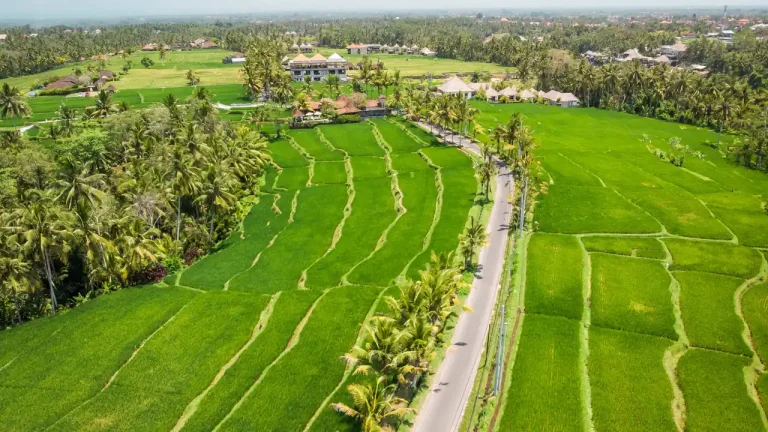
Bali Drone Permit Regulations: 2027 Update
The Bali drone permit regulations 2027 update will likely tighten enforcement around KKOP, heliports, villas and data security while opening…
Regulation Updates
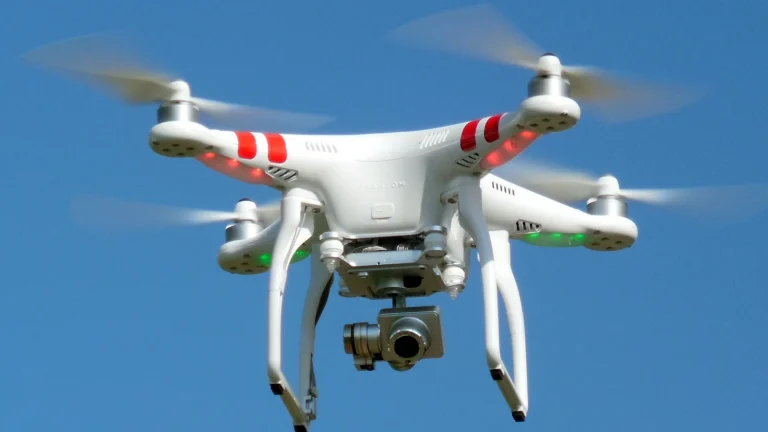
Bali Drone Law Risks And Penalties In 2027
Bali drone law risks and penalties in 2027 will likely include on‑the‑spot confiscation, civil fines in the range of Rp50–250…
Regulation Updates
Green Low-Noise Drone Standards In Bali 2027
By 2027, Bali is expected to apply “green and low-noise” thresholds of roughly <60–65 dB at 50 m, daytime only…