Bali Drone Permit Pricing Scenarios For 2027
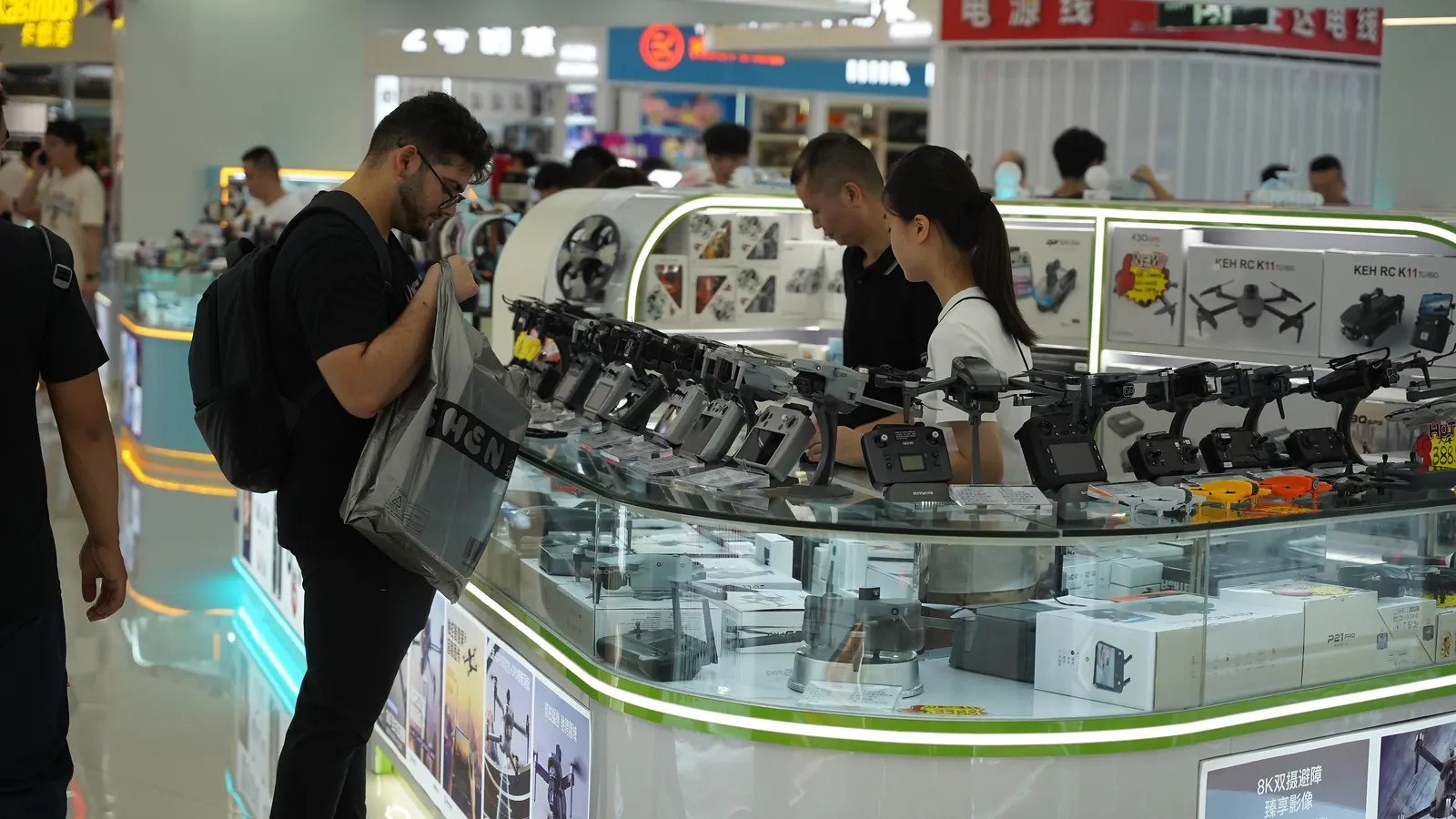
Typical bali drone permit pricing scenarios for 2027 shoots are likely to range from IDR 8–25 million per shooting day for straightforward non‑KKOP locations, and IDR 25–75 million per day for complex KKOP or multi‑agency locations, as of August 2026. Final numbers will depend on location risk, season, aircraft, insurance, and lead time.
How might 2027 demand and regulations push Bali drone permit costs up or down?
Bali’s drone ecosystem is moving toward higher scrutiny and higher volumes at the same time. As of August 2026, national rules under PM 37/2020 already require formal clearances in controlled airspace, KKOP, and above 400 ft. By 2027, local enforcement around Ngurah Rai’s 15 km buffer and KKOP procedures is expected to tighten rather than relax, especially for commercial filming and live events.
In pricing terms, this usually means two trends. First, complex KKOP jobs (for example hotel roof shoots in Tuban, or beach club activations in Canggu inside controlled airspace corridors) tend to move from the IDR 25–40 million per‑day band up toward IDR 40–75 million, as of August 2026, because of added risk studies, SMS‑FSC submissions, and on‑site aviation supervision. Second, simpler rural locations that are clearly outside controlled airspace — like upland villages in Karangasem Regency, or rice terraces far from approach paths — remain closer to IDR 8–20 million per day, assuming standard lead times and no last‑minute changes.
Producers planning 2027 schedules can reduce exposure by locking in quotes early, aligning creative briefs with the published bali drone permit regulations 2027 update, and designing shot lists that avoid avoidable risk multipliers such as night sorties or flying directly over crowds.
What role will seasons and locations play in Bali drone permit pricing scenarios for 2027 shoots?
Bali drone permit seasonal demand already causes noticeable waves in permit queues and operator availability. As of August 2026, high season blocks (July–August and late December–early January) create longer lead times and premium pricing, especially in south Bali where controlled airspace and tourism density overlap. Typical uplifts of 15–30% over base permit‑handling bands are common during these peaks.
The biggest pricing swing in 2027 is likely to be between south‑coast and “outer” regencies. Karangasem Regency drone restrictions are increasingly shaped by two concerns: proximity to mountainous terrain and evolving wildfire drone restrictions bali during dry months (generally July–October). Shoots that intersect with wildfire monitoring corridors, or that require coordination with local disaster management agencies, can see permit handling bands rise by another IDR 5–15 million per day, as of August 2026.
Bali drone permit high season tips for budgeting include staging some units in shoulder months (May–June, September), prioritising sunrise shoots when traffic and crowd‑overflight risks are lower, and pre‑negotiating standby days in case controlled airspace windows shift due to weather or air‑traffic constraints.
How do property type and community consent affect permit costs for 2027 productions?
Regulators increasingly expect proof of ground‑side legitimacy, not just air‑side clearance. As of August 2026, many district administrations ask to see location release forms for bali drone shoots and evidence of local community consent for drone shoots bali, especially in traditional villages, rice terraces, and temple complexes. Coordinating these documents can add 3–10 days and extra liaison costs to a schedule.
Bali hotel rooftop drone shoots and beach club drone policy bali typically sit at the higher end of pricing bands because they combine property‑owner approvals with aviation risk controls around crowds, pools, and sound systems. Venues often insist on non disclosure agreements for drone shoots bali to protect VIP guest privacy and brand assets. Drafting and aligning these NDAs, plus securing venue‑specific safety plans, can add several million rupiah in legal and coordination costs per project, as of August 2026.
On the other side, well‑organised productions that secure location releases, village letters, and venue approvals early usually experience fewer last‑minute rescheduling costs and lower overruns when permits go to review at DGCA or AirNav.
How will specialised use‑cases like rice surveys, live streaming, and heli–drone combos price out in 2027?
Specialised missions tend to be priced on complexity, not just shoot days. For example, a bali drone permit for rice field survey in Tabanan or Gianyar often needs lower‑altitude flight grids, longer total airtime, and careful community consultations to explain data use. As of August 2026, these projects typically sit in the IDR 12–30 million per‑day band, depending on survey size and deliverables.
Live streaming drone permit bali projects for festivals, sports, or product launches demand more robust spectrum planning, redundancy, and risk analysis because they usually involve crowd overflight and strict timing. That can push handling into the IDR 25–60 million per‑day range, as of August 2026, especially if combined with multi‑camera ground coverage and broadcast‑grade uplinks.
Private helicopter and drone combo shoots bali are some of the most tightly controlled scenarios. Coordinating manned rotary aircraft with drones in or near controlled airspace requires careful deconfliction, AirNav coordination, and sometimes temporary flight procedures. Productions should budget on the higher side of KKOP bands — in many cases IDR 50–75 million or more in permit‑chain and coordination for a single intensive shoot day, excluding aircraft charter itself.
How can repeat productions control costs with smarter planning and expiry tracking?
For brands that revisit Bali regularly, tracking permit expiry dates for repeat shoots is one of the most efficient cost levers. As of August 2026, many approvals — such as letters from regency governments or venue‑specific operating procedures — are granted with a validity window (for example 30 or 90 days). Returning within that window can significantly lower re‑processing costs.
Maintaining a structured archive of signed location release forms for bali drone shoots, NDAs, and risk assessments allows repeat applications to reference past clearances instead of starting from zero. This is especially helpful in areas like Karangasem Regency, where officials may already be familiar with a project’s safety record and can focus review time on new elements.
For foreign teams, pairing this document discipline with the published 2027 roadmap for foreign film crews using drones in bali helps align internal planning cycles with regulatory lead times. Productions that routinely engage permit agents 30–60 days before major 2027 campaigns will have more room to negotiate around constrained airspace windows and seasonal bottlenecks.
- Standard lead time for regulated commercial flights: 14 working days before operations, as of August 2026, with 30–45 days recommended for complex KKOP venues.
- Key authorities in the permit chain: DGCA/DKPPU, AirNav/LPPNPI, airport authority, and SMS‑FSC for Flight Security Clearance in KKOP zones.
- Essential ground‑side paperwork: location release forms, local community consent letters, venue approvals, and proof of insurance.
- Risk factors that increase costs: KKOP proximity (around Ngurah Rai’s 15 km zone), crowd overflight, night operations, and live broadcast requirements.
- Operational model: flights are operated by licensed AOC operators; Drone Permit Bali is an independent civilian service company and does not own aircraft or hold an AOC.
- Optional value‑adds: integrated bali drone permit and insurance package for productions wanting a single combined quote for legal, risk, and airspace coverage.
- For urgent jobs, higher‑band fees may apply alongside services similar to bali drone permit express processing to manage reduced lead times.
Frequently asked questions
what is included in bali drone permit pricing scenarios for 2027 shoots?
Pricing scenarios typically cover regulatory coordination (DGCA/DKPPU, AirNav, airport authority), SMS‑FSC applications for KKOP, risk assessment documentation, and local government letters, as of August 2026. Many quotes also factor in community consent handling, basic legal documents (location releases, NDAs), and project management time across pre‑production and shoot days.
berapa biaya izin drone untuk komersial di bali?
As of August 2026, commercial drone permits in Bali usually fall between IDR 8–25 million per shooting day for straightforward non‑KKOP areas, and IDR 25–75 million per day in KKOP or complex venues. Final costs depend on aircraft size, airspace category, community and venue requirements, and how far in advance the production locks the schedule.
berapa biaya permit drone untuk paid content creator?
For paid content creators (sponsored shoots, social ads, or tourism campaigns), pricing depends on whether flights qualify as commercial and what airspace is involved. As of August 2026, budget ranges of IDR 5–15 million per day for simple rural shoots and IDR 15–30 million for busy or regulated areas are common, excluding talent and post‑production.
how do wildfire drone restrictions bali affect 2027 pricing?
Wildfire‑related limits mainly affect upland and dry‑season shoots. In 2027, productions operating in sensitive forest or hillside zones may need extra coordination with disaster‑management agencies and stricter flight plans. As of August 2026, this typically adds IDR 5–15 million per day in planning and compliance costs compared with similar missions in wet‑season windows.
do karangasem regency drone restrictions make permits more expensive?
Karangasem’s mix of high terrain, rural communities, and periodic hazard zones means more emphasis on safety cases and local consent. As of August 2026, permits there are not automatically pricier than south Bali, but projects near evacuation routes, temples, or wildfire‑risk areas often sit in mid‑ to high‑range permit bands due to coordination time.
To model your own bali drone permit pricing scenarios for 2027 shoots and get a written quote, share dates, locations, and shot types via WhatsApp 6281139414563 or bd@juaraholding.com (BD desk Juara Holding Group).
Last updated 4 August 2026
Keep Reading
Service & Compliance
2027 Insurance Requirements For Bali Drone Permits
By 2027, most commercial drone permits in Bali are expected to require public liability insurance of at least USD 500,000–1,000,000…
Service & Compliance
Will Express Drone Permits Be Normal In Bali 2027?
Express drone permit services in Bali by 2027 are likely to be normal for many locations, but not for every…
Service & Compliance
How AI Flight Planning Could Change Bali Permits 2027
By 2027, AI flight planning is likely to cut Bali permit revisions by 30‑50% by auto‑checking KKOP, controlled airspace, and…