Skip to content

Standard permits 7–14 working days · KKOP zones 30–45

Clearances · Liability cover

Drone permit and insurance packages

Legal flight clearances bundled with third-party liability cover from IDR 5–20 billion. One workflow from creative brief to bound policy, instead of three parties who never speak.

Professional camera drone in close-up
5–20bn
IDR third-party liability range
8–35jt
IDR per project, quote-based
14
Working days · standard zones
30–45
Days · KKOP around Ngurah Rai

Insurers and authorities weigh the same four things: licensing, experience, airspace class and ground risk. Bundling means they are answered once.

  • Documentation bundle: operator licence, insurance policy, drone serial numbers, maintenance logs, risk assessment, maps and emergency procedures
  • Optional equipment and data-loss extensions, subject to insurer approval
  • Named-operator clauses and serial-number-specific schedules, aligned with the technical annexes filed to DGCA and AirNav
  • All flights operated by licensed AOC operators; this is an independent civilian service company holding no AOC
  • Submissions via DGCA/DKPPU, AirNav/LPPNPI, airport authority, and SMS-FSC for KKOP or Flight Security Clearance
  • Single-location permits through to island-wide multi-day itineraries under one coordination chain

What the bundle removes

The gaps a split workflow leaves open

For a line producer, drone work is usually three vendors: one flies, one files, one insures. The problems all live in the seams between them.

  • One chain, not three

    Creative brief through to any airspace closure notice issued during your dates, handled as one workflow.

  • Predictable call times

    Start dates and call sheets that hold, plus a named backup plan if weather or a temporary restriction intervenes.

  • Airworthiness checked early

    Maintenance logs reviewed before submission, so questions about airworthiness do not arrive mid-application.

  • Matching paperwork

    The concept of use, route maps, altitude envelopes and emergency procedures that the insurer sees are the ones DGCA sees.

  • Rolling NOTAM checks

    Multi-day itineraries get updated NOTAM reviews and revised manifests as one chain, not piecemeal requests.

  • Local consent included

    Community letters and scouting notes gathered alongside the DGCA approvals, matched to the shot list.

Cover

Liability bands, and what puts you in one

The limit is set by where you fly and who is underneath, not by the size of the aircraft. These are the bands we work within as of August 2026.

  • Standard

    5–10bn IDR

    Open areas outside KKOP, low crowd density, single location. The baseline most venues and clients accept without further questions.

  • Most common

    Elevated

    10–20bn IDR

    Built-up areas or tourist sites in peak season. This is the band typically recommended for higher-risk work, subject to underwriter appetite.

  • Extended

    +add-ons

    Equipment and data-loss extensions on top of third-party liability, where the payload or the footage carries its own value. Subject to insurer approval.

Indicative and dated August 2026. Every limit is subject to underwriter appetite, and cover is bound only once flight profiles and dates are confirmed — not at quotation.

Bringing your own aircraft in

For an overseas production, the temporary import of the aircraft has to line up with the permit and insurance file. A Carnet ATA or temporary import declaration must list the same serial numbers and payloads that appear in the technical dossier.

A mismatch between those documents is the one that delays clearance at Ngurah Rai cargo or the passenger channel — and it surfaces on arrival day, when there is nothing left to do about it.

The same serial numbers also drive the insurance schedule. Named-operator clauses and hull-specific listings mean every aircraft in the fleet has to be declared consistently across customs, the insurer, DGCA and AirNav.
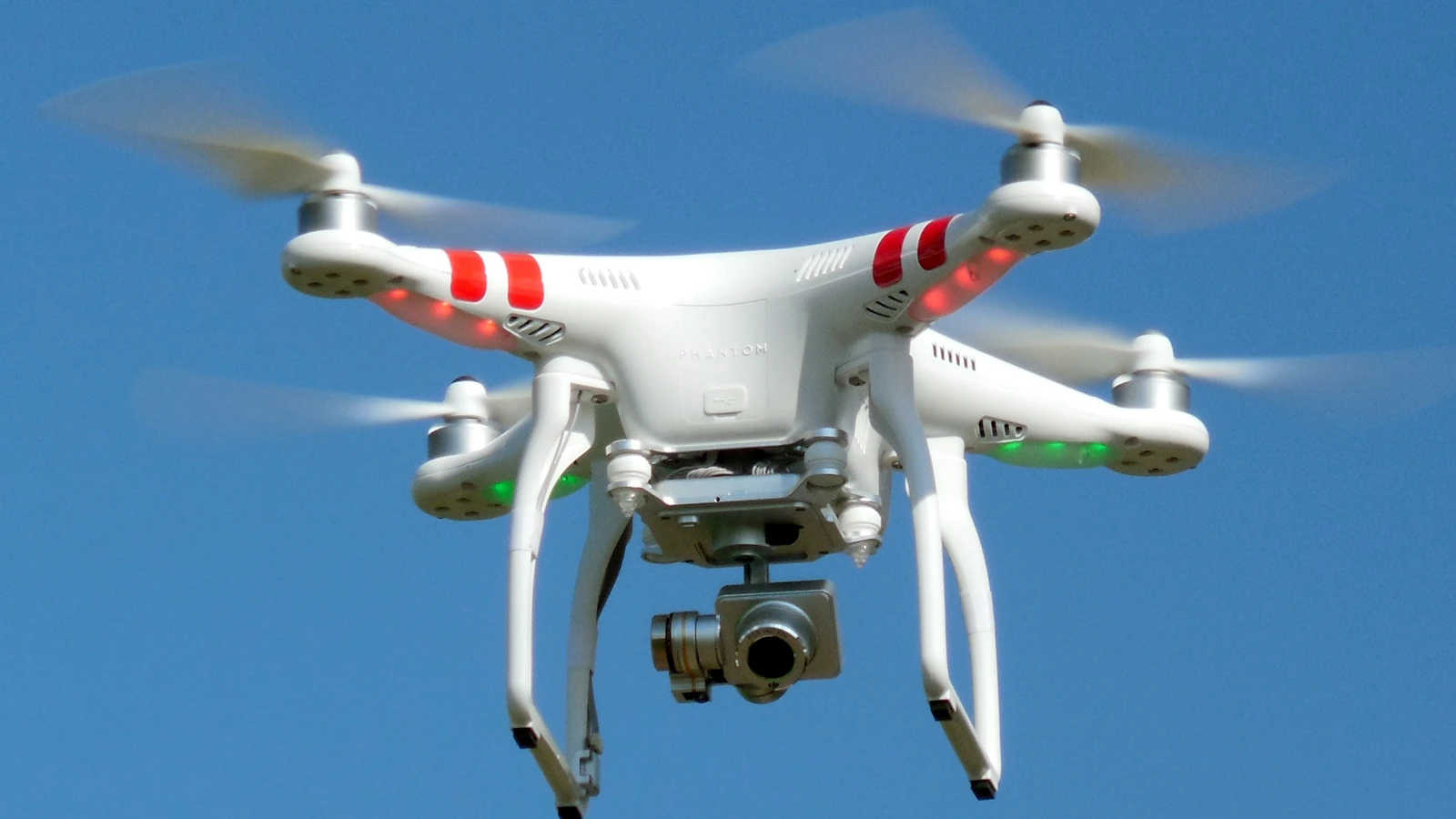
Quadcopter hovering overhead, illustrating privacy risks and penalties under Bali drone law

What underwriters look at

The same evidence raises the available limit and smooths the permit assessment.

  • Documented competence

    A valid Indonesian licence or recognised foreign credential, recurrent flight hours, and exam evidence where applicable.

  • Pre-flight discipline

    Documented checklists and named emergency landing zones, rather than a pilot's habit described after the fact.

  • Crash reporting steps

    A written procedure that mirrors what PM 37/2020 expects, so a claim and a regulatory report draw on the same record.

Questions about cover

Send the dates, the locations and the serial numbers

We come back with the permit chain, the liability band that fits the risk, and one quote covering both.