Bali Drone Law Risks And Penalties In 2027
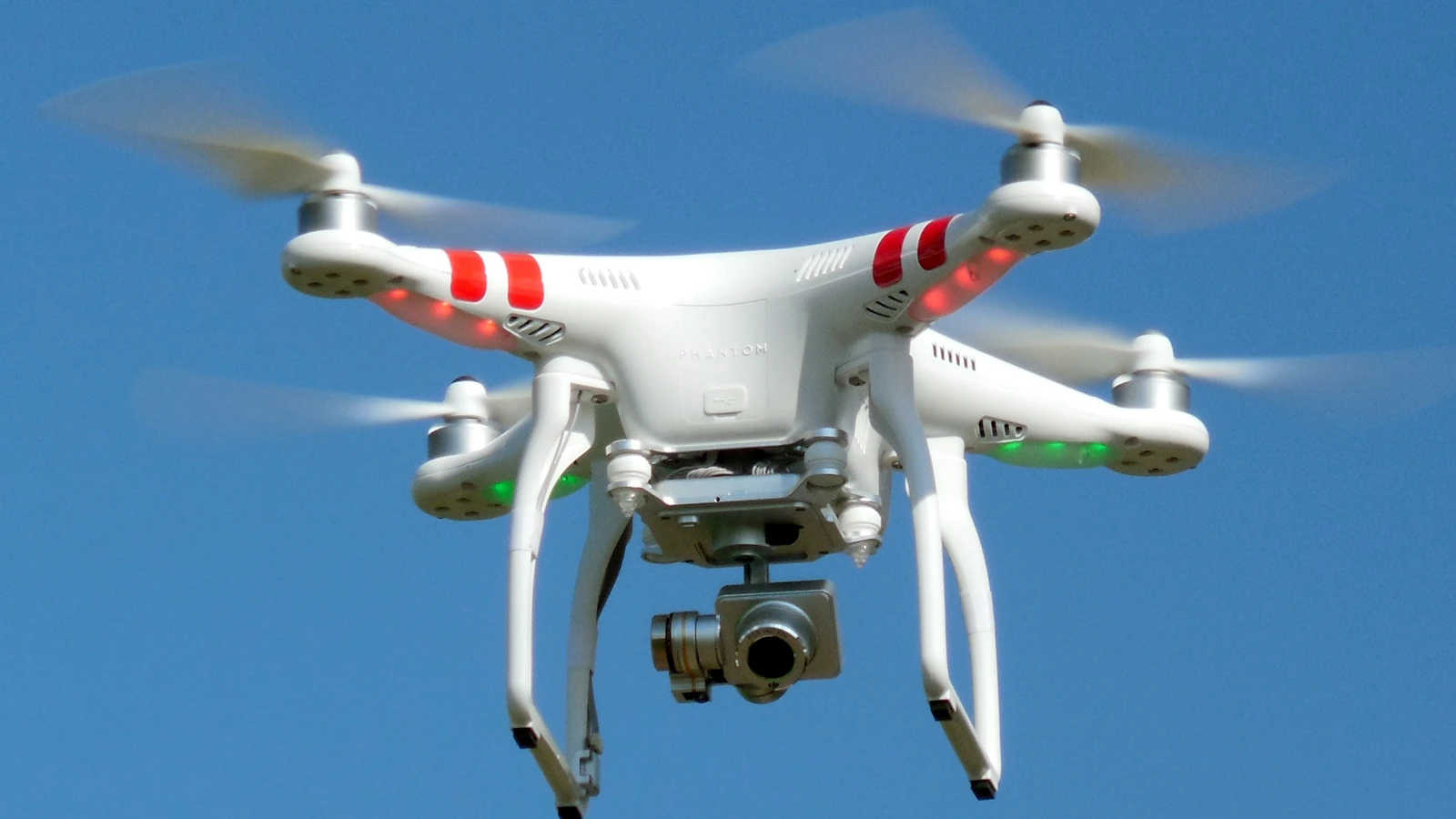
Bali drone law risks and penalties in 2027 will likely include on‑the‑spot confiscation, civil fines in the range of Rp50–250 million, and potential criminal exposure up to Rp1.000.000.000 and 3 years’ jail for endangering flight safety near airport KKOP zones, based on current Indonesian aviation law trends.
How serious are the penalties for illegal drone flights in Bali near airports and KKOP zones?
The most serious penalties for illegal drone flights in Bali relate to airport safety and KKOP (Kawasan Keselamatan Operasi Penerbangan) violations. Under Law No. 1 of 2009 on Aviation, activities that endanger aviation safety in KKOP without permission can be punished with imprisonment of up to 3 years and fines up to Rp1.000.000.000. This framework already applies in 2026 and is unlikely to soften by 2027.
Ngurah Rai International Airport’s practical “red zone” is generally treated as a 15 km no‑fly area covering Kuta, Seminyak, Jimbaran and Nusa Dua, based on multiple public guidance sources as of August 2026. Flying a drone commercially in this zone without written clearance from the airport authority, AirNav Indonesia and DGCA/DKPPU is classified as a high‑risk activity.
By 2027, enforcement intensity is expected to increase rather than decrease. Police and airport security already respond aggressively to reports of drones near approach paths. Typical real‑world consequences today include equipment confiscation, forced deletion of footage, and administrative fines. With rising tourist drone incidents, coordinated enforcement and higher fine brackets for repeat offenders are likely in Bali’s busiest resort areas.
What are the main risks of flying without permit in Bali for filming, survey or events?
The risks of flying without permit in Bali range from minor on‑site shutdowns to serious legal problems. For commercial work, operating without the correct airspace and local permits already violates existing ministerial regulations (PM 180/2015 as amended by PM 47/2016, and PM 37/2020). As of August 2026, applications are supposed to be lodged at least 14 working days in advance to the Directorate General of Civil Aviation (DGCA).
By 2027, agencies are expected to link permit systems more tightly with the official SMS‑FSC (Flight Security Clearance) platform, especially around KKOP, controlled airspace and sensitive infrastructure. Filming near ports, power plants, oil and gas terminals and government complexes with no paperwork could see projects shut down, with crews escorted to police posts for questioning.
For brands and production houses, a single unauthorized drone incident can trigger reputation damage, loss of client trust and insurance complications. Police or DGCA reports may jeopardize future access to permits. Insurers increasingly require proof of regulatory compliance; see the detailed overview on 2027 insurance requirements for bali drone permits to understand how non‑compliance can void coverage after an accident.
How will privacy and content misuse shape Bali drone law risks and penalties in 2027?
Alongside flight safety, privacy is one of the fastest‑moving risk areas. A Bali drone privacy law overview today includes general Indonesian privacy principles, electronic information law (ITE Law), and local regulations that protect individuals from intrusive recording on private property, religious compounds and cultural ceremonies without consent.
Through 2027, social media and short‑form video content will keep driving complaints. Filming villas, hotel pools or temple ceremonies with guests clearly identifiable, then uploading to viral platforms, exposes operators and clients to legal complaints from property owners and individuals. Local communities in Bali have become more assertive in blocking intrusive drones during religious events and processions.
Penalties are likely to manifest as financial compensation demands, police reports and local village sanctions, even when no specific “drone clause” is cited. For commercial campaigns, brands may be required to take content offline and issue apologies. Keeping clear flight logs, site permissions and talent releases will be a practical risk‑reduction step in 2027, not just a formality.
Will DJI geofencing, NOTAM and radio rules really be enforced more tightly by 2027?
Technical compliance is becoming a central part of enforcement. Many operators already attempt to unlock DJI geofencing for Bali flights to operate near controlled airspace or sensitive facilities. By 2027, regulators will likely treat unjustified geofence unlocking as a clear indicator of deliberate risk‑taking, especially if done without matching written approvals and NOTAM entries.
NOTAM checking for Bali drone flights will become harder to ignore. AirNav Indonesia and DGCA are gradually integrating unmanned aircraft activity into their airspace management systems. For complex operations, such as drone shows or tall‑building inspections, authorities already issue NOTAMs to alert manned traffic. Skipping this step in 2027, then causing an airspace conflict, could be argued as negligence.
Radio frequency regulations for drone control Bali‑wide will also attract more attention. Use of non‑standard frequencies, high‑power custom links or unlicensed video transmitters can interfere with aviation and emergency services. Expect more inspections and potential equipment seizures for operators using grey‑market gear or illegal RF amplifiers, especially near airports and ports by 2027.
How will commercial sectors like oil & gas, resorts and B2B outsourcing be treated?
Commercial sectors face higher expectations of professionalism and therefore higher downside if rules are ignored. A dedicated Bali drone permit for oil and gas sites already requires close coordination with facility security, DGCA/DKPPU, and AirNav. Sensitive sites such as offshore platforms, LNG terminals and fuel depots sit within layers of restricted and controlled airspace.
By 2027, unpermitted flights around these locations may be treated as potential security threats. On top of aviation penalties, operators could face questioning under broader security legislation if drones are flown over storage tanks, pipelines or jetties without written authorization from both site owners and aviation authorities.
At the same time, brands, hotels, industrial estates and survey firms increasingly rely on b2b drone permit outsourcing Bali services instead of trying to navigate DGCA, AirNav and local government alone. Multi‑island projects often use a combined Bali and Lombok drone permit combo structure so that a single concept shoot is covered across both provinces under consistent safety documentation and risk assessments.
How might enforcement affect YouTube creators and small commercial operators in 2027?
Content creators will remain a focal point. A growing number of education‑focused channels already act as an informal youtube channel for drone law Bali watchers, explaining zones, altitude limits and permit basics. Yet many small commercial operators and vloggers still treat the rules as optional.
As tourism rebounds, enforcement is likely to prioritize repeat offenders whose videos clearly show illegal flights: low over crowds, inside the 15 km airport buffer, or over temples during ceremonies. Platforms can be compelled to provide uploader details when there is a safety incident or community complaint, allowing authorities to link footage to individuals.
Small operators will also face practical questions from clients. Brands increasingly expect clarity on the uav definition in indonesian aviation law, and the treatment of drones as aircraft in indonesian law, before signing contracts. This pushes even solo pilots to keep logs, risk assessments, and proof of local permissions so they are not the weakest link in a larger production’s compliance chain.
- Standard lead time for complex KKOP‑related permits is 14 working days, extending to 30–45 days for intricate venues as of August 2026.
- Drone shows in Bali can cost from about Rp277–375 million for 100 drones up to around Rp832 million for 300 drones as of August 2026, excluding fines if operated illegally.
- Permit workflows must route only through official written channels (DGCA/DKPPU, AirNav/LPPNPI, airport authority and SMS‑FSC for Flight Security Clearance).
- Flights near Ngurah Rai International Airport require dedicated bali airport drone flight clearance with documented risk assessments.
- Commercial operators should integrate wind forecast tools for bali drone flights and NOTAM checks into every operations briefing by 2027.
- Combined Bali and Lombok shoots benefit from a unified permit bundle to avoid duplicated safety documentation and last‑minute cancellations.
- Professional consulting services in Bali coordinate with licensed AOC operators; they do not themselves hold any AOC or operate aircraft directly.
Frequently asked questions
berapa biaya izin untuk drone komersial kecil?
Costs vary by location, altitude, risk profile and whether KKOP or restricted zones are involved. As of August 2026, simple, non‑KKOP commercial permits can fall roughly in the low‑to‑mid millions of rupiah, while complex or last‑minute cases are higher. 2027 pricing will likely remain quote‑based, reflecting coordination time with DGCA, AirNav and local authorities.
is bali drone law risks and penalties in 2027 worth it in Bali?
Understanding bali drone law risks and penalties in 2027 is essential if operations matter to your brand, client or insurer. The effort to comply is small compared with potential fines up to Rp1.000.000.000, equipment seizure, cancelled shoots and damaged client relationships. For most commercial users, structured compliance is the only sustainable path in Bali’s increasingly regulated airspace.
what is included in bali drone law risks and penalties in 2027?
The concept covers criminal penalties for endangering aviation, administrative fines for flying without permits, sanctions for violating KKOP and controlled airspace, and privacy or content‑related disputes. It also includes indirect risks: voided insurance, rejected claims, lost access to sensitive sites, and reputational damage documented in flight logs, NOTAM records and online video evidence.
how can operators safely unlock DJI geofencing for Bali flights?
Geofencing should only be unlocked after written approvals and risk assessments are in place. Operators must match DJI unlocking requests with official permit documents, NOTAM references and local letters of consent. By 2027, unjustified geofence bypassing will likely be viewed as intentional non‑compliance, especially near KKOP, ports and energy infrastructure.
where can businesses get help with bali drone permit gmb optimization and outsourcing?
Businesses often pair operational support with marketing help, such as bali drone permit gmb optimization on Google Business profiles, to signal compliance to clients. For structured operations, many brands use drone permit consulting bali services that coordinate B2B outsourcing, multi‑location permits and integrated safety processes for Bali and Lombok.
For project‑specific advice on penalties for illegal drone flights in Bali and safer alternatives, contact the BD desk (Juara Holding Group) via WhatsApp 6281139414563 or email bd@juaraholding.com.
Last updated 4 August 2026
Keep Reading
Regulation Updates
Bali Drone Permit Regulations: 2027 Update
The Bali drone permit regulations 2027 update will likely tighten enforcement around KKOP, heliports, villas and data security while opening…
Regulation Updates
Indonesia’s DGCA Online Drone Permits By 2027
Indonesia’s DGCA is expected to operate a fully integrated online drone permit system by 2027, where applications, invoices, and approvals…
Regulation Updates
Green Low-Noise Drone Standards In Bali 2027
By 2027, Bali is expected to apply “green and low-noise” thresholds of roughly <60–65 dB at 50 m, daytime only…