2027 Insurance Requirements For Bali Drone Permits
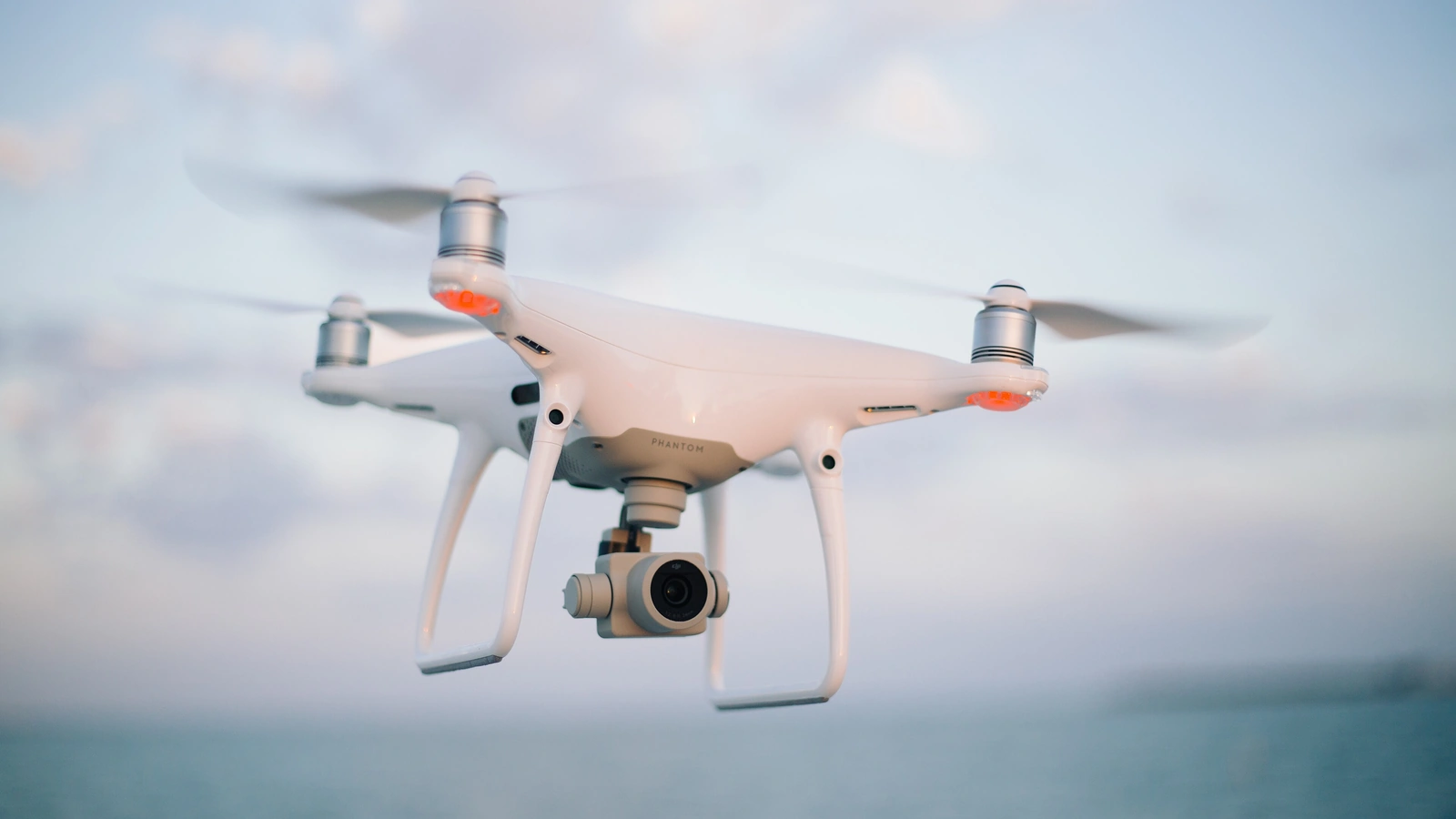
By 2027, most commercial drone permits in Bali are expected to require public liability insurance of at least USD 500,000–1,000,000 per incident, plus named coverage for third‑party property damage and injury. Authorities are also likely to request a drone insurance certificate matching your serial numbers and exact permit dates, especially in KKOP and dense urban areas.
What will change in 2027 insurance requirements for Bali drone permits?
The core shift in 2027 insurance requirements for Bali drone permits will be higher minimum cover per incident and tighter documentation checks. As of August 2026, production companies commonly show USD 250,000–500,000 public liability insurance for drones in Bali. For larger sets near towns, beaches or roads, authorities already prefer USD 1,000,000 coverage.
By 2027, the trend from aviation regulators and local governments points toward formalised thresholds: expect Bali drone insurance requirements to move closer to the USD 500,000 minimum used in many regional aviation markets, with KKOP airport zones and controlled airspace leaning toward the USD 1,000,000 band. This is driven by higher drone weights, more complex commercial drone operations in Bali, and stricter risk assessments following global incident patterns.
For any commercial drone permit Bali request that crosses KKOP, or sits within roughly 15 km of Ngurah Rai International Airport, DGCA and AirNav risk assessment processes are already in place, referencing laws such as PM 37/2020 and PM 90/2015. Stronger insurance is the simplest way for applicants to demonstrate they can absorb third‑party damage or injury costs if something goes wrong in higher‑risk airspace.
How much liability cover will TV, tourism and car commercials likely need?
Advertising work is typically the first category where officials push for higher limits, as sets often combine vehicles, extras, and complex camera moves. As of August 2026, a common pattern for a commercial drone permit Bali producers present is USD 500,000–1,000,000 public liability per claim, especially for a drone permit Bali for TV commercial shoots that use FPV or fast tracking shots.
By 2027, three sub‑categories are likely to attract specific scrutiny. A Bali drone permit for car commercial work can include high‑speed manoeuvres near highways or cliff roads. A Bali drone permit for airline commercial shoots almost always touches airport approaches, helipads, or KKOP risk corridors. A Bali drone permit for tourism commercial footage often wants iconic beaches and clifftops that sit within or close to controlled airspace. Each of these raises collision and crowd‑safety concerns.
In practice, productions can expect authorities to “price the risk” through insurance: lower‑risk rural tourism shoots might be accepted at the lower end, while large multi‑vehicle or near‑KKOP airline campaigns lean toward USD 1,000,000. Having a drone insurance certificate for permit Bali applications that clearly shows the insured limit in both USD and IDR, and names the production entity, shortens clarification loops with regulators.
Why are serial number and registration details tied to insurance in Bali?
Regulators are progressively linking aircraft identity, pilot competency, and insurance coverage. As of August 2026, serial number requirements for drone permits Bali applications are already standard: forms typically ask for drone make, model, weight, serial number, and sometimes registration or conformity documentation from the country of origin.
By 2027, expect the insurance and serial number layers to be checked side by side. Under Bali drone permit requirements for commercial work, officers want to see that each specific airframe flying over people, roads or property is actually covered—not just any generic “fleet policy”. This is especially relevant for productions using multiple units (for example, primary, backup, and FPV craft).
For public liability insurance for drones in Bali, underwriters may require a schedule of insured drones listing serial numbers and maximum take‑off weights, because damage potential is strongly linked to mass and operating environment. This information is then mirrored in permit submissions. Misaligned serials between certificates and application forms can delay approvals, particularly inside controlled airspace or KKOP areas where AirNav and airport authorities are extra cautious.
How will Bali cultural sites and KKOP zones influence insurance thresholds?
Bali cultural site drone permits are under pressure from two directions: cultural heritage protection and aviation safety. Major temples, ceremonies, and heritage areas attract crowds and sometimes lie under important traffic corridors. As of August 2026, some local authorities already ask for proof of insurance before issuing location permissions for big events and ceremonies.
By 2027, expect coordinated policies where cultural heritage managers, local government, and aviation stakeholders insist on minimum Bali drone insurance requirements for any commercial work over, or close to, large gatherings. Requirements may differ between rural temple complexes and popular coastal sites, but all will emphasise third‑party injury coverage and crowd‑related risks.
KKOP airport zones are shaped by PM 90/2015 and aviation safety rules, and practical guidance widely refers to approximately a 15 km radius around Ngurah Rai as a no‑fly or strictly managed zone. In this belt, Bali drone accident liability rules will be enforced more aggressively: an incident here can disrupt scheduled traffic and trigger significant claims. Higher insurance limits, precise flight risk assessments, and solid operator credentials will be the norm for any KKOP drone clearance, particularly via the official channels that also handle kkop drone permit bali applications.
How can productions manage insurance, permits and pilots together?
Productions increasingly want a single workflow that covers insurance proof, pilot licensing, and permit sequencing. As of August 2026, independent service firms coordinate permit work through DGCA, AirNav, airport authorities and the SMS‑FSC system, while flights themselves are flown by licensed AOC operators. By 2027, documentation exchanges between these stakeholders are likely to be even more standardised.
Teams that hire drone pilot Bali with permits usually expect the pilot supplier to carry at least a base level of liability insurance. However, for larger campaigns—such as a drone permit Bali for TV commercial or tourism board content—the brand or production company often adds the drone work to its global policy as an additional layer, showing both policies in the file to reassure authorities.
A specialised Bali fixer for drone permits helps connect these moving parts: checking policy wording for territorial coverage (Indonesia or worldwide), matching serial numbers, and aligning flight dates with the declared policy period. For complex commercials, using structured services such as commercial drone filming permit bali support and broader drone permit consulting bali can reduce back‑and‑forth with regulators, especially where scripts touch KKOP or culturally sensitive locations.
- Submit drone insurance certificate for permit Bali applications that clearly states limit per incident, territory including Indonesia, and exact policy validity dates.
- Prepare a list of all drones with make, model, weight, and serial numbers to attach to both insurance and permit forms.
- Allow at least 14 working days (as of August 2026) for standard permits, and 30–45 days for KKOP or complex multi‑location shoots.
- Ensure public liability insurance for drones in Bali covers both bodily injury and property damage to third parties.
- Align pilot licences and operator AOC documentation with the insured entity named in the policy and permit request.
- For hotel or resort shoots, coordinate with the property’s own policies and security rules on how Bali hotels will handle guest drone use by 2027.
- Keep copies of all permits, risk assessments, and insurance certificates on‑set in both digital and printed form.
Frequently asked questions
how much does 2027 insurance requirements for bali drone permits cost in Bali?
Premiums vary by drone value, weight, risk profile, and coverage limit. As of August 2026, annual public liability policies used for commercial drone operations in Bali commonly range from a few hundred to several thousand US dollars, with higher costs for limits near USD 1,000,000, night work, KKOP operations, or dense urban locations.
is 2027 insurance requirements for bali drone permits worth it in Bali?
Yes. Beyond being increasingly mandatory for permits, robust liability cover protects productions from potentially large claims if a drone injures a person, damages vehicles, or disrupts aviation. Compared with the total budget of TV, tourism, airline or car campaigns, compliant insurance is a relatively small, predictable cost that safeguards schedules and reputations.
what is included in 2027 insurance requirements for bali drone permits?
Typical expectations are third‑party liability for bodily injury and property damage, clear territorial coverage including Indonesia, and listed or schedulable drones by serial number. Authorities may also expect evidence that pilots are qualified and operating under a licensed AOC operator where required, aligning policyholders, aircraft, and permit applicants.
Do I need extra insurance for Bali cultural site drone permits?
For many cultural sites, insurance is not just recommended but effectively required by location owners or event organisers. They often ask for proof of public liability insurance with adequate limits, and may specify minimum values for large ceremonies. Higher limits help address concerns over crowds, ritual structures, and shared public spaces around temples.
How do Bali drone accident liability rules affect commercial drone operations Bali?
Bali drone accident liability rules flow mainly from national aviation law and civil liability principles. Productions and operators can be held responsible for injuries, property damage, or disruption to air traffic. For commercial drone operations Bali projects, this pushes regulators to ask for stronger insurance, better risk assessments, and strict adherence to altitude, geofencing, and KKOP permit conditions.
For current advice on insurance wording, KKOP clearances, and commercial permits in Bali, share your storyboard and tentative dates with the BD desk at WhatsApp 6281139414563 or bd@juaraholding.com (Juara Holding Group).
Last updated 4 August 2026
Keep Reading
Service & Compliance
Will Express Drone Permits Be Normal In Bali 2027?
Express drone permit services in Bali by 2027 are likely to be normal for many locations, but not for every…
Service & Compliance
Bali Drone Permit Pricing Scenarios For 2027
Typical bali drone permit pricing scenarios for 2027 shoots are likely to range from IDR 8–25 million per shooting day…
Service & Compliance
How AI Flight Planning Could Change Bali Permits 2027
By 2027, AI flight planning is likely to cut Bali permit revisions by 30‑50% by auto‑checking KKOP, controlled airspace, and…