Green Low-Noise Drone Standards In Bali 2027
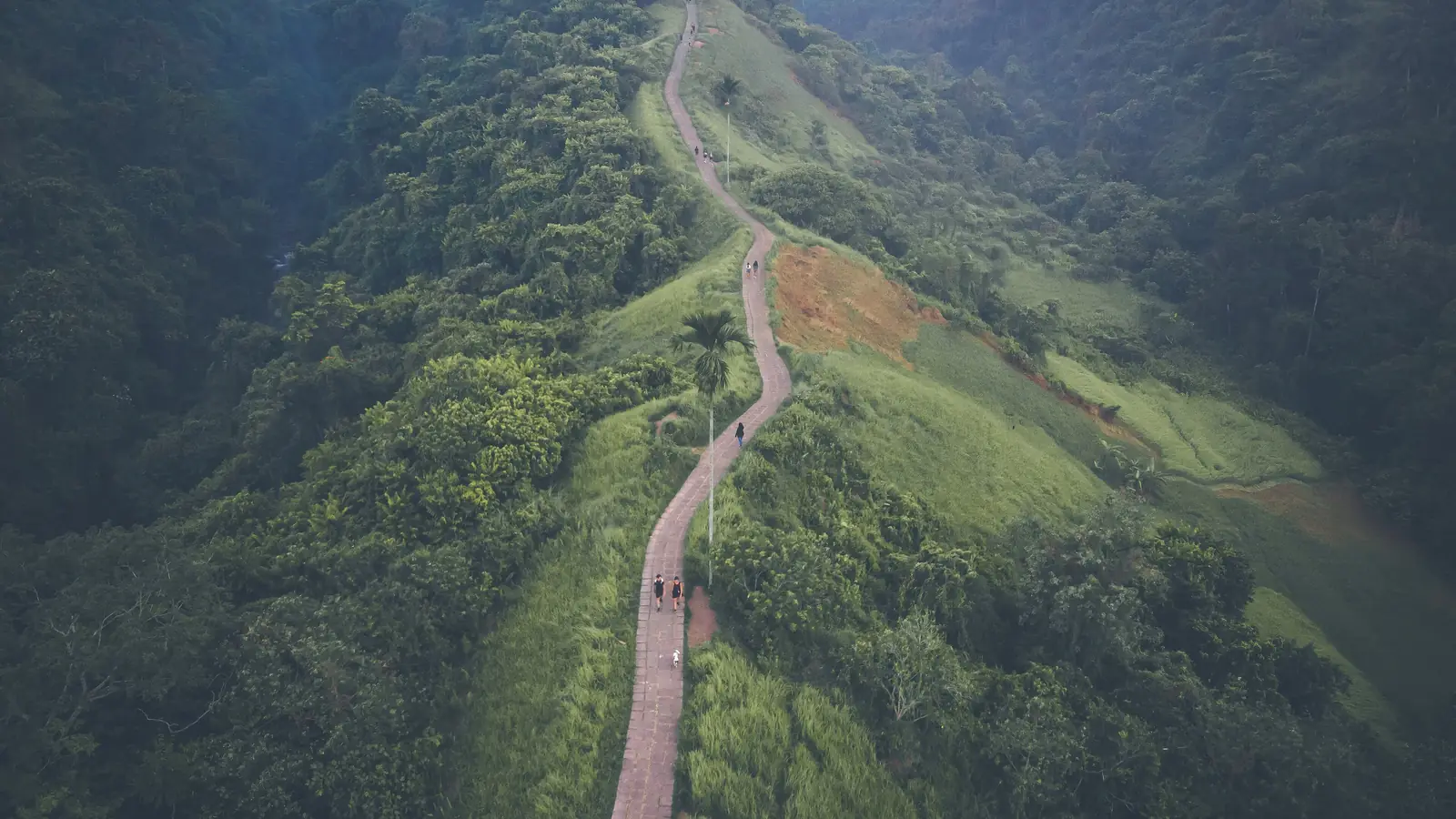
By 2027, Bali is expected to apply “green and low-noise” thresholds of roughly <60–65 dB at 50 m, daytime only in most villages, and stricter limits near temples, forests, and hospitals. Permit approvals will likely favor electric, sub-10 kg drones with efficient props and documented noise tests, especially inside KKOP and tourist zones.
How will green and low-noise drone standards in Bali 2027 change permit approvals?
By 2027, permit assessors in Bali are expected to score applications on three pillars: noise, emissions, and operational footprint. This is driven by existing aviation rules (such as PM 37/2020 on unmanned aircraft) plus growing local bylaws on noise and temple protection in Badung and Gianyar regencies as of August 2026. Authorities already scrutinise altitude, proximity to settlements, and KKOP exposure; environmental impact is the next filter.
Practically, requests for events, commercials, and documentaries will increasingly need to show that the chosen drone type is electric, uses low-noise propellers, and flies within shortest-necessary windows. Productions shooting near resorts or cultural sites may see curfews, for example sunrise-only slots to keep average sound levels below 60–65 dB. Regulators and venue owners in 2026 already push back on heavier, noisier platforms >25 kg; this trend will tighten by 2027, nudging clients toward smaller camera drones or dual-drone setups instead of one large rig.
For complex locations in controlled airspace—such as KKOP around Ngurah Rai Airport—the same Directorate General of Civil Aviation (DGCA) chains (SORA-style risk assessment, AirNav, NOTAM, and Flight Security Clearance via SMS-FSC) will still apply, but green and low-noise scoring will affect whether those applications are recommended or delayed.
Will “green” rules affect a drone permit for Green Bowl Beach or other coastal spots?
Green Bowl Beach lies inside the southern tourism belt where airport-related risk, cliff temples, and sea bird habitats intersect. As of August 2026, practical guidance already treats the wider Ngurah Rai zone as highly sensitive, with 15 km no-fly interpretations used by multiple operators. By 2027, a drone permit for Green Bowl Beach will likely require stronger justification that flights are short, quiet and respect both airspace and coastal ecosystems.
Authorities and village councils are expected to ask for more detail on launch sites (to avoid erosion-prone cliffs), horizontal distance from temple grounds, and noise levels during traditional ceremonies. Beach clubs and hotels may demand that clients align with sustainability certifications, which commonly include noise and light pollution clauses. Productions with clear environmental or cultural education angles will probably receive friendlier treatment compared to purely commercial shoots, especially if they share finished footage with local stakeholders.
Clients planning 2027 campaigns should assume longer lead times and more iterations on flight plans for exposed coastal areas. Early coordination allows the permit team to balance class G airspace drone rules Indonesia with local noise sensitivities, for example by scheduling flights outside turtle nesting seasons or reducing the number of sorties per day.
How will NGOs, solar farms, and “green stories” be treated under the new standards?
Environmental projects are well positioned to benefit from green and low-noise drone standards in Bali 2027. A bali drone permit for environmental NGO work—such as coastal erosion mapping or reef monitoring—already tends to be supported by written endorsements from universities or local agencies as of August 2026. Those endorsements help regulators weigh public benefit against noise and safety concerns.
Similarly, a bali drone permit for solar farm documentation or inspection can be framed as supporting Indonesia’s renewable energy targets. In practice, this may not remove the need for DGCA and AirNav approvals, but it can strengthen the risk-benefit case when applying for high altitude drone flights Bali rules exemptions above the usual 400 ft limit in uncontrolled airspace. In class G areas, inspectors may be allowed specific altitude corridors, provided that risk assessments and emergency procedures are robust.
NGOs and sustainability projects should prepare clear, concise briefs about how the imagery will be used, what data-sharing they can offer to local partners, and which low-noise aircraft will be flown. This information, combined with expert support on class G airspace drone rules Indonesia and municipal requirements, can significantly improve the likelihood of permits moving forward smoothly in 2027.
Do temples, forests, crime scenes and new heliports change where quiet drones can fly?
Sensitive ground sites will be central to green and low-noise drone standards in Bali 2027. Monkey Forest drone rules Ubud are already strict informally: village leaders and site managers generally prohibit flights during peak tourist hours and religious events, citing both safety and wildlife disturbance. By 2027, similar written rules may link allowable operations to noise output and flight distance from animal habitats.
New heliports in Bali and drone rules will also interact strongly with green criteria. Under PM 37/2020, any flights within 3 NM of helipads in uncontrolled airspace or in controlled airspace require special DGCA permission. As new hospital and resort heliports are commissioned, operators should expect combined assessments: traditional aviation safety plus environmental and community noise thresholds, particularly for night operations.
Law enforcement scenes are another focus area. Media drones at crime scenes Bali rules are increasingly conservative, with police press officers limiting proximity and altitude. By 2027, expect only pre-cleared, low-noise aircraft with explicit police coordination to be allowed near active incidents, mainly to reduce risk, preserve privacy, and avoid aggravating nearby residents with unnecessary hovering over neighborhoods.
How will low-noise and environmental standards impact events, light shows and airport zones?
Large productions, especially drone light shows and stadium events, will sit at the strictest end of green and low-noise drone standards in Bali 2027. Drone light shows regulations in Bali already require complex chains—DKPPU exemption/SORA, AirNav risk assessment, PUTA approval, NOTAM, SIT for KKOP and FSC via SMS-FSC—with 14 working days minimum lead time and up to 30–45 days for dense KKOP areas as of August 2026. Noise and visual pollution will likely become explicit scoring items in these chains.
Clients planning festivals near the Ngurah Rai zone or close to future heliports will have to align both with class C airspace rules for drones Indonesia and with community noise limits set by local government. Coordinated packages such as a bali drone permit and insurance package help consolidate these requirements, especially when tied to the documented 2027 insurance requirements for Bali drone permits described in the separate guide on 2027 insurance requirements for bali drone permits.
Work near or inside the KKOP of Ngurah Rai will still require specialised bali airport drone flight clearance, but by 2027 operators should also be ready to show how their production minimises engine run time, prefers smaller fleets of efficient drones, and limits show duration to reduce cumulative sound levels for surrounding neighborhoods.
Will these standards affect pricing, discounts and foreign operators getting permits?
As of August 2026, permit fees in Bali are quote-based and depend on location, KKOP exposure, flying hours, and urgency. Green and low-noise drone standards in Bali 2027 are expected to add complexity but also create cost-saving opportunities. Productions that plan early, choose quieter aircraft, and share data for environmental monitoring may receive smoother approvals and lower rework costs.
Some coordinators already experiment with a bali drone permit low season discount in rainy months (typically November–March), when demand is lower and village event calendars are less crowded. By 2027, these discounts may be tied to explicit sustainability commitments, such as using a single compact platform instead of multiple heavy rigs, or bundling additional ground-based environmental content in the same shoot window.
Foreign crews will still need SIK / SIB coordination and often ask for sipp-ta registration help for foreigners so that their aircraft and pilots are properly documented with Indonesian authorities. Intake form questions for Drone Permit Bali increasingly ask about drone type, propeller modifications, expected sound levels, and any previous incidents. Answering these fully and honestly is one of the simplest ways to keep both cost and risk under control.
- Standard lead time for complex KKOP or controlled-airspace cases: 30–45 days; simpler shoots: around 14 working days (as of August 2026).
- Permits in airport or heliport influence zones must comply with PM 37/2020, including special approval for operations near controlled airspace and helipads.
- Clients should prepare aircraft registration, pilot licence, third-party liability insurance, and detailed flight plans as core documentation.
- Technical specs often requested: drone weight class, maximum take-off mass, battery type, propeller configuration, and typical noise level data at 50 m.
- Event and light-show permits require full sequence designs, maximum altitude, number of drones, and emergency recovery plans.
- Drone repair shops in Bali are increasingly expected to document modifications that may affect noise, flight time, or safety-critical components.
- Foreign productions should allocate budget for translation of permissions, local letters, and any environmental impact statements requested by villages.
Frequently asked questions
is green and low-noise drone standards in bali 2027 worth it in Bali?
Yes, adopting these standards is increasingly essential. By 2027, quiet and efficient drones are more likely to receive approvals, especially near KKOP, temples, forests, and resorts. Crews that invest in low-noise props, risk assessments, and community-friendly schedules usually face fewer objections, less re-planning, and better long-term relationships with local partners.
what is included in green and low-noise drone standards in bali 2027?
The emerging standards combine national aviation rules with local noise and environmental policies. Expect caps on altitude without approval, preferred electric platforms, recommended daytime-only operations, noise thresholds around 60–65 dB at 50 m, wildlife and temple buffers, plus documentation of flight paths, emergency plans, and insurance tailored to 2027 risk profiles.
berapa biaya permit drone untuk destination marketing?
For destination marketing, permit coordination is quoted per project as of August 2026. Costs depend on number of locations, KKOP exposure, altitude needs, and urgency. Campaigns in remote class G airspace are usually cheaper than those near airports, heliports, or protected sites. Sharing clear storyboards and green commitments helps refine the quotation range.
how do class c airspace rules for drones indonesia affect Bali shoots?
Class C airspace covers controlled zones, often around major airports and busy corridors. In these areas, drone flights require DGCA permission, AirNav coordination, and usually stricter altitude, time, and equipment limits. For Bali, this heavily influences shoots near Ngurah Rai and future heliports, making professional planning and realistic timelines critical by 2027.
can Drone Permit Bali help with events and light shows under the 2027 standards?
Yes, coordination support is available for concerts, sports, and drone light shows, including airspace approvals and insurance guidance. Complex events can start with the dedicated bali drone permit for events service, which aligns creative plans with aviation, environmental, and community requirements expected to be fully in force by 2027.
To discuss a 2027-compliant permit plan for your film, survey, NGO project, or event in Bali, contact the BD desk of Juara Holding Group via WhatsApp 6281139414563 or email bd@juaraholding.com.
Last updated 4 August 2026
Keep Reading
Regulation Updates
Bali Drone Permit Regulations: 2027 Update
The Bali drone permit regulations 2027 update will likely tighten enforcement around KKOP, heliports, villas and data security while opening…
Regulation Updates
Indonesia’s DGCA Online Drone Permits By 2027
Indonesia’s DGCA is expected to operate a fully integrated online drone permit system by 2027, where applications, invoices, and approvals…
Regulation Updates
Bali Drone Law Risks And Penalties In 2027
Bali drone law risks and penalties in 2027 will likely include on‑the‑spot confiscation, civil fines in the range of Rp50–250…