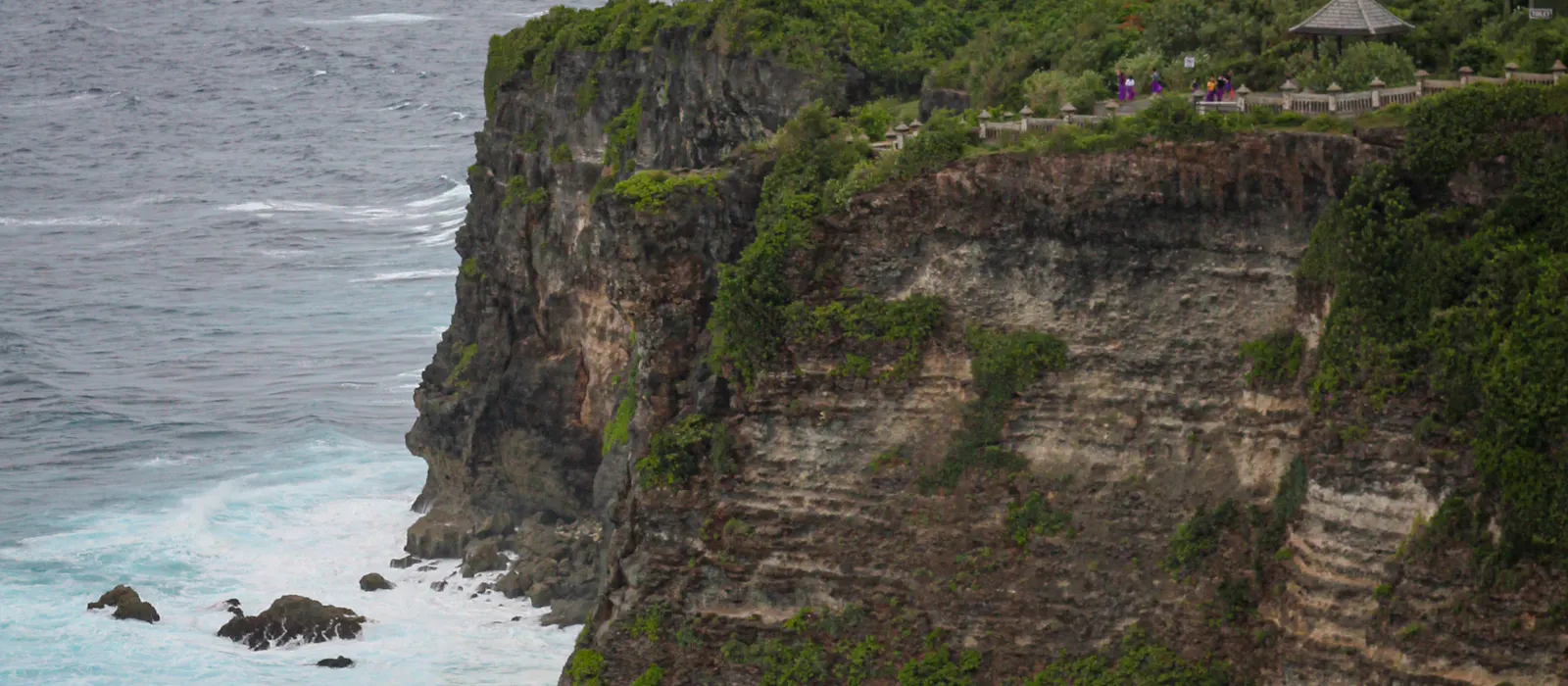
Airspace map for your sites
Proximity to runway centrelines, approach and departure paths, and any restricted area.
Standard permits 7–14 working days · KKOP zones 30–45
15 km ring · Ngurah Rai
Formal approval to fly inside the 15 km airport safety zone. Flying it without one carries up to three years' imprisonment and fines to Rp1 billion under Indonesian aviation law.
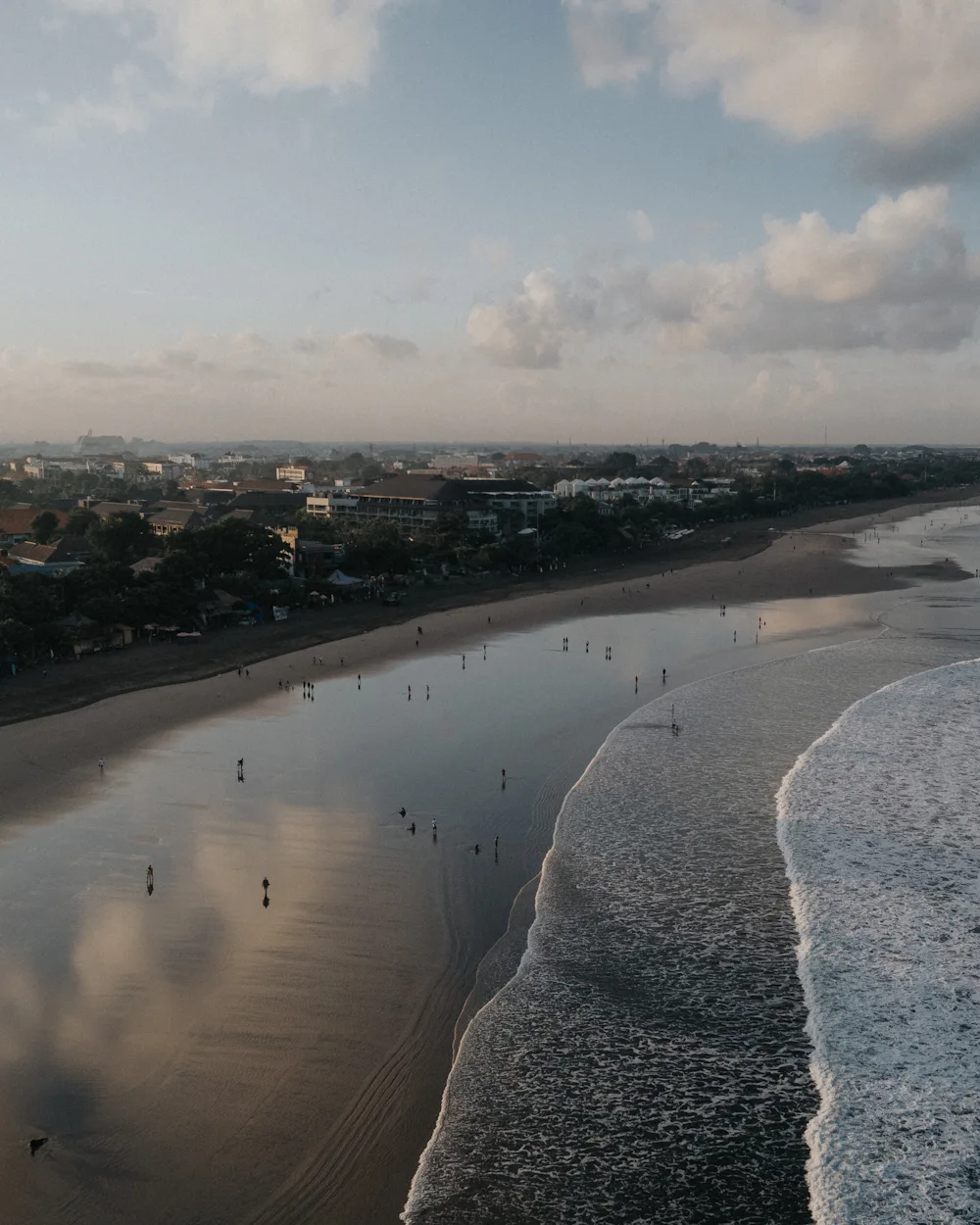
Drone weight does not remove a KKOP obligation. Under 2 kg is still banned inside the 15 km buffer without written approval.
What handling covers
Approvals inside the buffer fail on incomplete data far more often than on the flight itself. These are the parts that get built before anything is submitted.
Approvals fail most often on incomplete data, weak risk mitigation and unclear flight profiles — not on the shot itself. Every submission goes through official written channels only: DGCA/DKPPU, AirNav, the airport authority and SMS-FSC.
The closer a site sits to the runway axis or a critical approach sector, the more conservative the flight design has to be. That is decided before filing, from the airspace map, not negotiated afterwards.
Season matters. November to March brings gusts, rain and low cloud; April to October is more predictable but adds dust on take-off pads and heat in the batteries. Permit windows are built around both.

How we file
Nothing is submitted until the stage before it is complete. That is what keeps a KKOP application out of the rejection pile.
Your pins are mapped against runway centrelines and approach sectors. This sets the altitude ceiling and the timing window before anything is written.
A structured assessment covering airspace class, ground risk, crowd density, infrastructure and seasonal weather, aligned with what AirNav expects to receive.
Submitted through DGCA/DKPPU, AirNav and the airport authority, with a NOTAM where required and Flight Security Clearance via SMS-FSC.
Crew briefing, safe zones, arming rules, hand signals and direct lines to security — plus abort terms that can halt the flight instantly.
Fringe-of-buffer sites with clear lateral separation from approach paths typically run 14–21 working days. Airport-adjacent venues, night shoots and events run 30–45, as of August 2026.
What international crews ask for most often once the application is in.
Document updates, schedule changes and authority clarifications while the application is open.
Written explanations and checklists in Korean, so producers can brief local stakeholders cleanly.
Logs, incident reports where applicable and evidence of compliance, compiled for insurers and internal EHS teams.
Site pins, dates and the flight concept. We come back with where they sit against the buffer, the realistic lead time and a quote.