2027 Roadmap For Foreign Drone Film Crews In Bali
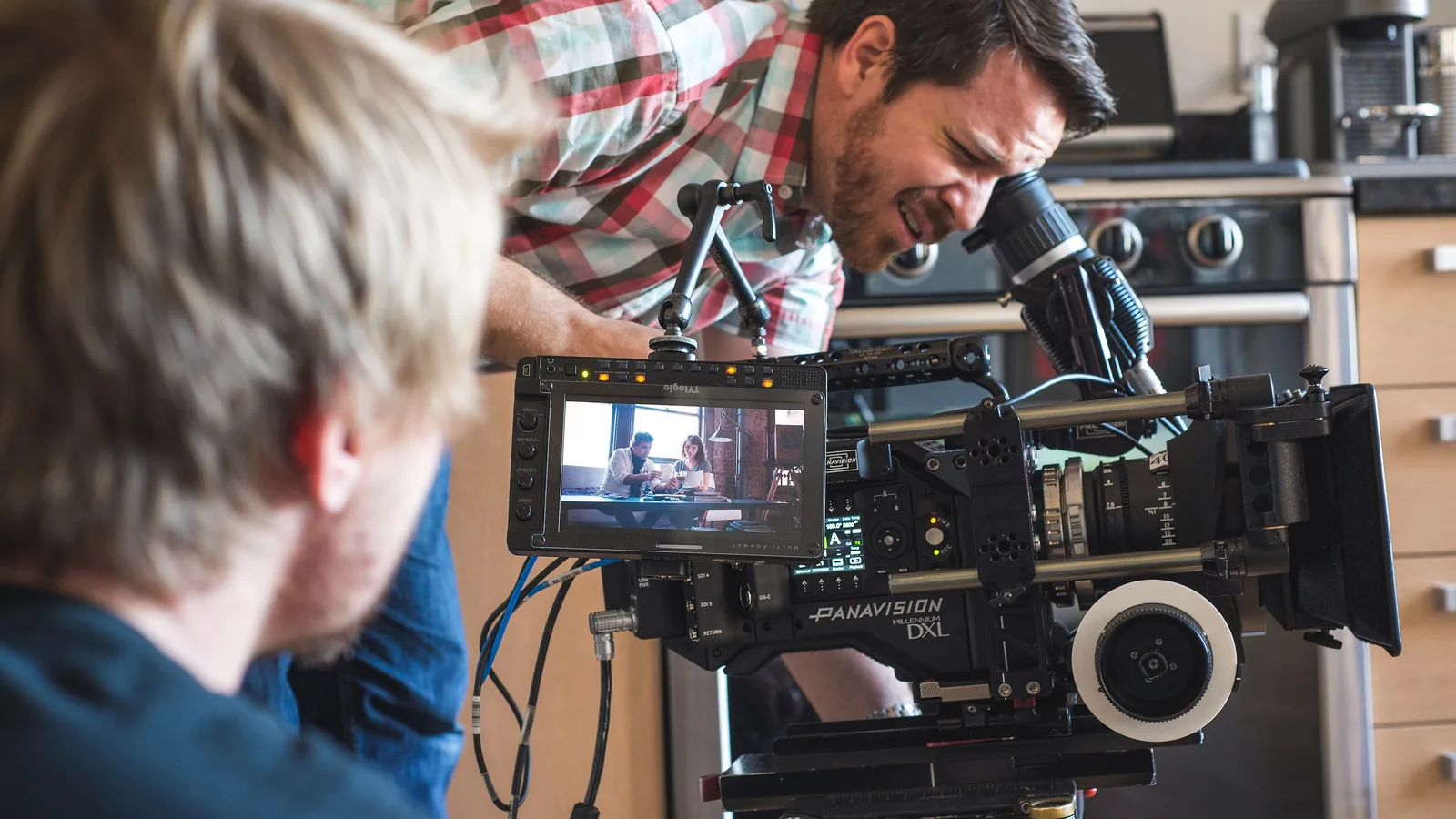
The 2027 roadmap for foreign film crews using drones in Bali is a 5‑step chain: (1) script‑level scoping 90–120 days out, (2) multi‑agency permits 30–60 days out, (3) KKOP and VIP‑risk coordination 14–30 days out, (4) technical and data‑security setup 7–10 days out, and (5) on‑site compliance and logging.
How early should foreign drone film crews start Bali 2027 planning and why?
For 2027, overseas productions should block 90–120 days of runway before the first shoot day involving drones. Indonesian aviation rules already require permit submissions to the Directorate General of Civil Aviation at least 14 working days before operations, and KKOP or complex sites near Ngurah Rai International Airport often extend the real‑world lead time to 30–45 days as of August 2026.
Foreign schedules are usually tighter, so the safest 2027 roadmap for foreign film crews using drones in Bali is to treat drone work as a separate workstream. By week 1–2, lock key items: Bali drone permit for documentary, construction progress, coastline erosion study, or broadcast intent and the associated locations (for example, Klungkung Regency, Mount Batur, or Canggu rooftops). From around day 30, location‑specific negotiations with regency authorities and landowners generally take place.
High‑season months (July–September and late December) regularly see temporary drone bans during VIP visits Bali or security operations, which can restrict airspace on 24–72 hours’ notice. Building slack into pre‑production allows re‑sequencing of scenes if a NOTAM or Flight Security Clearance constraint affects the drone call sheet close to shoot.
What permits will foreign drone crews in Bali likely need in 2027?
By 2027, the core permits for overseas producers are expected to track today’s chain: national aviation permission, local government clearance, and any required KKOP or controlled‑airspace approvals. Current rules under PM 37/2020 already require explicit approval for drone flights in KKOP, controlled airspace, or above 400 ft, with applications routed via DGCA/DKPPU, AirNav, and the airport authority.
For storytelling work, a Bali drone permit for documentary typically covers multiple days and several locations under one umbrella, while a broadcast drone permit Bali for live or near‑live transmission must evidence greater risk control and coordination with AirNav. Technical or commercial activity, such as a Bali drone permit for construction progress or a Bali drone permit for coastline erosion study, often involves repeat flights over months and needs clear survey grids, heights, and frequency in the paperwork.
Foreign crews should expect to submit a detailed Bali drone permit application form per operation set, including coordinates, maximum altitude, take‑off and landing points, and proof that flights will be carried out by a licensed AOC operator. A specialised drone permit bali for foreign crews partner can coordinate this chain exclusively through official written channels without improvising around regulations.
How should crews handle KKOP, Mount Batur, Canggu, and other sensitive zones?
Mount Batur, southern resort areas, and parts of Klungkung Regency sit in or near airspace that is often controlled or sensitive. Practical guidance based on 2026 publications recommends treating any area within roughly 15 km of Ngurah Rai Airport as a red‑flag zone that usually needs KKOP‑level analysis and approval. This includes much of Kuta, Seminyak, Canggu, Jimbaran, and Nusa Dua.
A drone permit for Mount Batur sunrise, for example, will intersect tourism management, conservation considerations, and wider airspace risk. Crews should allow 30–45 days as of August 2026 for layered approvals, plus additional time if using heavier aircraft or flying above 120 m AGL. For Klungkung regency drone permit work—especially near coastlines, cliffs, or ferry routes—expect maritime, cultural, and regency‑level consultation as well as aviation compliance.
By 2027 the future of kkop drone operations in bali 2027 is likely to be even more integrated into digital tools, with Flight Security Clearance using the national SMS‑FSC platform as the authoritative record of what is allowed on each day. Crews should plan for final FSC confirmation only shortly before flying, even when earlier principle approvals exist.
How can foreign producers plan Bali drone shots technically and protect client data?
Technical planning in 2027 will still start on a laptop long before gear lands in Indonesia. Using Google Earth for Bali drone planning lets DOPs and directors pre‑visualise orbits, parallax moves, and sun angles for locations such as Canggu villas, cliff temples, or erosion‑affected coastlines in Jembrana and Klungkung. Overlaying approximate 15 km airport buffers and key helipads helps identify zones where additional approvals are inevitable.
Data security for film clients using drones Bali is now a key line item in serious budgets. High‑value commercial and streaming clients often require encrypted storage, segregated rushes, and contractual limits on where footage can be mirrored. By 2027, common practice will likely involve on‑site encrypted SSDs, daily checksum reports (MD5 or similar), and rapid off‑island backups via secure cloud or physically flown couriers for sensitive productions.
Producers should confirm ahead of time that their local partner’s workflow includes restricted access ingest stations, NDA‑bound crews, and clear deletion policies for raw drone data that is not part of the final deliverables. This is especially important for documentaries exploring social issues, coastline monitoring for infrastructure owners, or influencer content shot in private villas.
What is the practical 2027 workflow from enquiry to last flight day?
A realistic 2027 workflow for international crews is a structured five‑stage path. Stage 1 (weeks 0–2): creative scoping, where scripts, storyboards, and a preliminary flight list are translated into coordinates and draft profiles—survey, cinematic, live broadcast, or inspection. Stage 2 (weeks 2–6): submission of a Bali drone permit application form package, including company papers, aircraft specs, and operator licences through a drone permit bali service.
Stage 3 (weeks 4–8): local stakeholder alignment, where village authorities, regency offices, tourism bodies, or private landowners confirm their permissions in writing. Stage 4 (D‑10 to D‑1): technical rehearsals, on‑site risk assessments, and confirmation of SMS‑FSC Flight Security Clearance, including any restrictions tied to temporary drone bans during VIP visits Bali.
Stage 5 (shoot days): operating only via licensed AOC operators, logging each flight, and adapting the shot list in line with changing weather, crowd density, or evolving airspace status. Throughout, no service provider can promise guaranteed approval or a shortcut through official procedures, so foreign producers should budget contingency days to protect their schedule.
- Minimum regulatory lead time for national drone permits is 14 working days before operations, but complex KKOP or multi‑location shoots often require 30–45 days as of August 2026.
- Foreign crews generally must work through Indonesian licensed AOC operators; independent fixers are not allowed to fly commercially without proper certification.
- Using Google Earth and GPS tools to generate precise take‑off points and altitudes is essential for completing the Bali drone permit application form accurately.
- Controlled‑airspace and KKOP approvals are coordinated through DGCA/DKPPU, AirNav/LPPNPI, and airport authorities, plus SMS‑FSC for Flight Security Clearance.
- Local permits can differ by regency; for example, Klungkung regency drone permit processes may involve additional coastal or cultural site considerations.
- Data security protocols typically include encrypted SSD capture, password‑protected rushes folders, and agreed retention or deletion timelines for unused footage.
- Peak tourist and festival periods are more exposed to temporary drone bans during VIP visits Bali, so scheduling lower‑risk interiors or non‑drone scenes as backups is advisable.
Frequently asked questions
can you bring a drone to bali
Most visitors can physically bring a drone to Bali for personal or professional use, subject to Indonesian customs and aviation rules. The key issue is not import but legal operation. Any commercial or high‑altitude flying, especially near KKOP or populated areas, requires advance permits and a licensed local operator handling the aircraft.
How does data security for film clients using drones Bali work in practice?
Data security typically uses a layered approach: encrypted memory cards or SSDs on set, controlled offloading to password‑protected drives, and limited user access. Many 2027‑ready workflows also include daily checksums, off‑site cloud or physical backups, NDAs for all crew, and clear agreements on how long unused rushes will be stored or when they must be deleted.
How is using Google Earth for Bali drone planning helpful for 2027 shoots?
Google Earth helps foreign producers visualise terrain, proximity to villages, and potential obstacles long before a tech scout. Crews can estimate safe altitudes, design paths that avoid KKOP buffers, and test sunrise or sunset angles for locations like Mount Batur or Canggu. These previews make permit applications and risk assessments more precise and efficient.
berapa biaya izin drone untuk event coverage di bali?
Costs vary by scope, risk, and location. As of August 2026, foreign‑led event coverage in Bali might sit in a broad band from several tens of millions to low hundreds of millions of rupiah, depending on days, aircraft type, and KKOP exposure. Quotes should bundle permits, licensed operators, insurance, and compliance management, not just flight hours.
berapa biaya permit drone untuk music video?
Music video budgets range widely. As of August 2026, a simple, single‑location shoot outside KKOP can be relatively modest, while multi‑day work around Canggu, cliffs, or busy beaches can reach higher bands due to extra permits and airspace coordination. A consulting call is usually needed to align creative ambition with a realistic permit and operations budget.
For tailored 2027 planning, permit mapping, or production‑ready drone permit consulting bali, contact the BD desk at WhatsApp 6281139414563 or email bd@juaraholding.com (Juara Holding Group, independent civilian service company, part of Juara Holding Group since 2015).
Last updated 4 August 2026
Keep Reading
Filming Permits
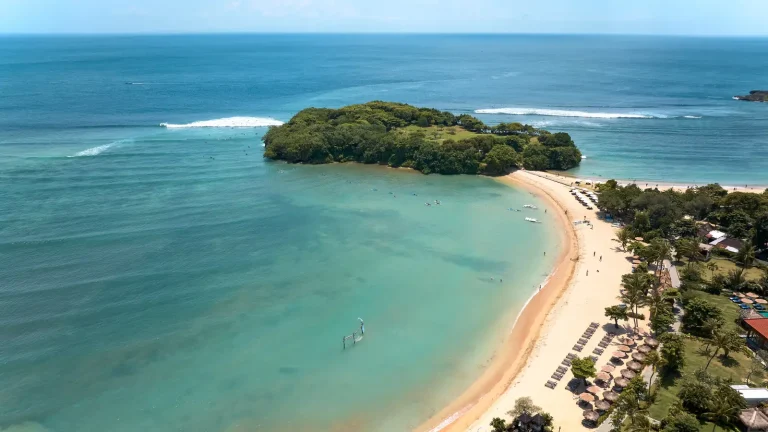
How Bali Hotels May Handle Guest Drones By 2027
By 2027 most Bali hotels are likely to allow drones only under structured rules: fixed take‑off zones, pre‑registered flights, and…
Filming Permits
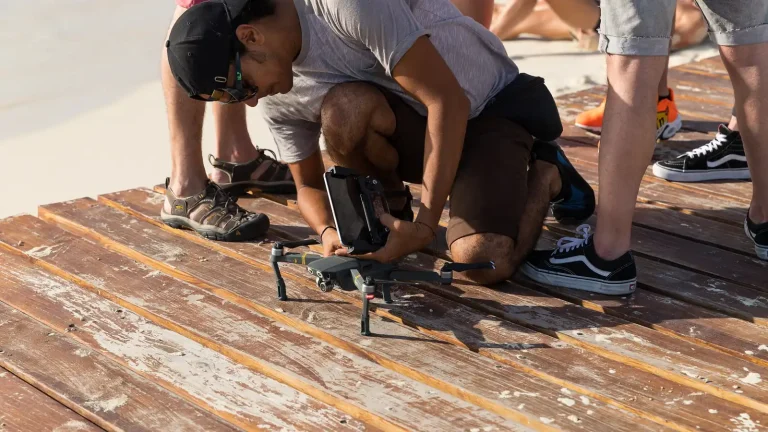
Remote Creators And Bali Drone Compliance In 2027
Remote work creators and Bali drone compliance 2027 will mean more documentation, earlier submissions, and stricter airspace checks. By 2027,…
Filming Permits
2027 Bali Drone Permit Checklist For Global Brands
The core bali drone permit checklist for international brands 2027 has 11 items: DGCA flight permission, AirNav coordination, airport/KKOP approval…