How Bali Hotels May Handle Guest Drones By 2027
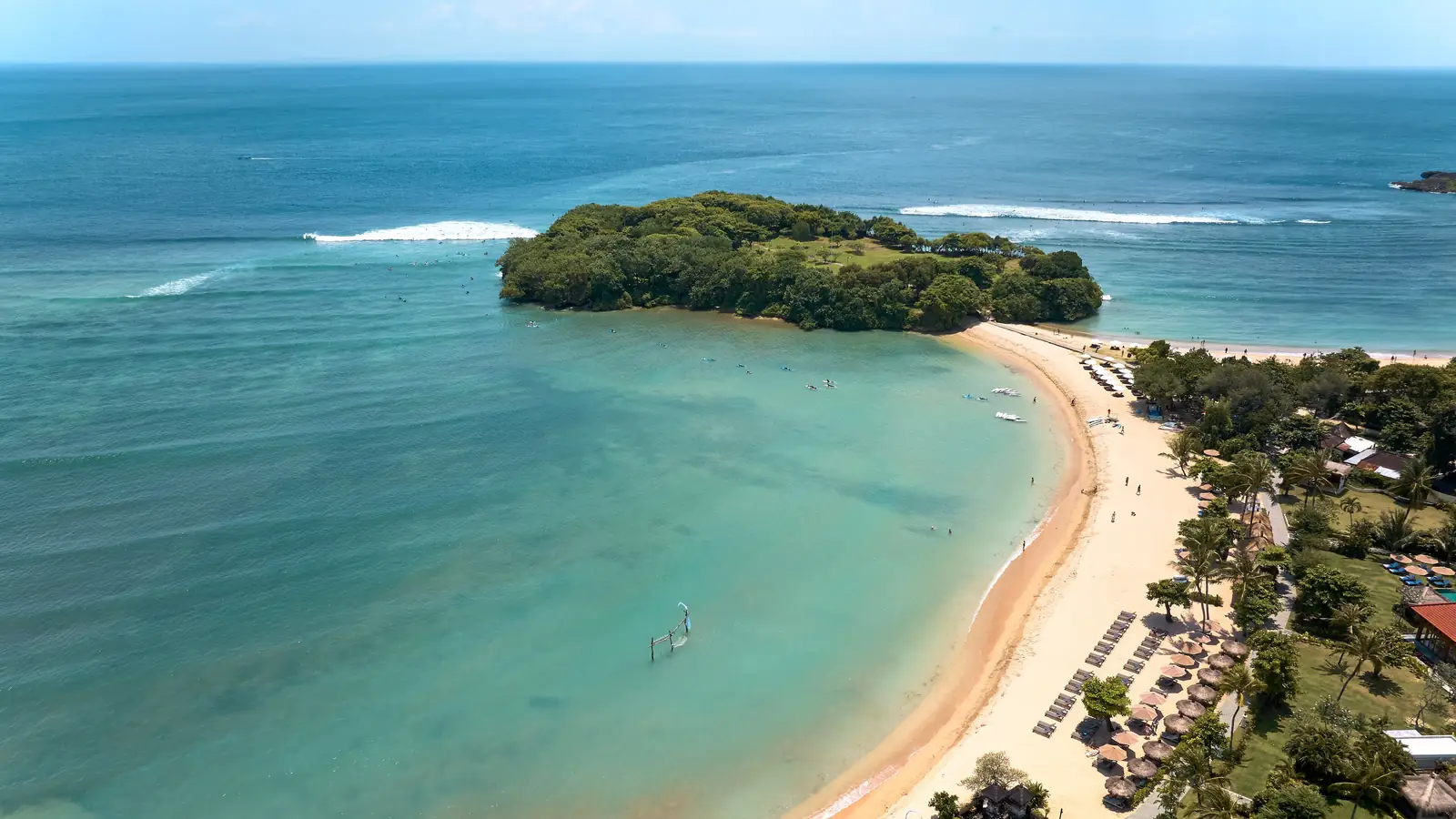
By 2027 most Bali hotels are likely to allow drones only under structured rules: fixed take‑off zones, pre‑registered flights, and proof of permits for KKOP and coastal areas. Expect 1–2 hour daily “drone windows”, mandatory privacy briefings at check‑in, and digital forms that feed straight into official permit workflows.
How will Bali hotels actually control guest drone use by 2027?
By 2027, large Bali resorts are expected to treat guest drones more like vehicles than toys: allowed, but only in controlled ways. Properties within the Ngurah Rai 15 km airport buffer or other KKOP zones must respect UU No. 1/2009 and PM 90/2015, which prohibit risky activity in the Kawasan Keselamatan Operasi Penerbangan without official approval.
In practice, hotels are likely to divide their grounds into “green”, “amber”, and “red” drone zones on an internal map, similar to how safety maps are used for watersports. Green zones (for example, a clifftop lawn in Uluwatu or a private valley in Gianyar) may allow short manual flights under visual line of sight. Amber zones could require written hotel approval plus proof of permit where needed, especially near coastal flight paths. Red zones—areas within practical no‑fly ranges around airports and helipads—would simply be off‑limits.
Many properties hosting weddings or resort launches already ask for a bali drone permit for events. By 2027, that same compliance mindset is likely to extend to individual guests: basic sign‑off at concierge for recreational flights, and stricter documentation for commercial shoots such as a bali drone permit for music video or real estate listings.
What kind of registration and “permit‑friendly” process will guests see at check‑in?
By peak season 2027, most higher‑end hotels are expected to log each guest drone similarly to how they handle vehicles or surfboards. A short clause in the registration card, plus a QR code to scan, could open mobile friendly drone permit forms bali managed by a partner such as Drone Permit Bali.
Those forms would gather serial numbers, pilot contact, intended dates, and locations (for example, “clifftop garden sunset” or “offsite: Bali north coast drone opportunities in July”). For locations falling inside KKOP, controlled airspace, or Mount Agung’s sensitive radius, hotels will likely insist that flights only occur via licensed AOC operators, consistent with current practice where flights are operated by licensed AOC operators and independent civilian services coordinate permits.
Because Kemenhub guidance already recommends permit requests be submitted up to 14 working days in advance, hotels catering to content creators may promote early planning on their websites and pre‑arrival emails. That helps ensure any drone permit for Mount Agung area or a bali drone permit for wind farm survey near north Bali’s energy projects can pass through the official SMS‑FSC and other written channels in time, without promising any guaranteed approval.
How will hotels balance guest privacy, logging, and firmware update policies for fleet drones?
Privacy is likely to be the key concern for hotels by 2027. Resorts that already run internal media teams or offer “luxury travel drone experiences bali” may maintain small in‑house drone fleets. For these, many will adopt documented firmware update policies for fleet drones so that security patches, geofencing updates, and manufacturer‑recommended safety features are applied on a fixed schedule, for example once per quarter from 2027 onward.
To support privacy friendly flight logging for drones Bali guests, hotels could require either local on‑device logs shared only with the safety officer, or anonymised logs stored on hotel servers for a limited period (for instance, 30–90 days) to handle complaints about privacy or airspace breaches. Such logs do not replace official record‑keeping for permitted operations but help demonstrate due diligence if a regulator or neighbour raises concerns.
Where resorts hire external operators for complex work—such as a drone permit bali for conference event with 500 delegates—those operators will continue to use official channels (DGCA/DKPPU, AirNav/LPPNPI, airport authority, and SMS‑FSC for Flight Security Clearance). Hotels can then show guests a simple one‑page “drone safety and privacy charter” summarising where flight data goes and how footage over private villas is controlled or prohibited.
How might coastal safety, tsunami evacuation and drone policy Bali interact in resort areas?
By 2027, many coastal resorts are expected to integrate their drone rules into existing tsunami evacuation plans. Bali’s hotel belts in Kuta, Legian, Sanur, and Nusa Dua already post evacuation maps and siren points. Adding a short “tsunami evacuation and drone policy bali” section to the guest safety folder is a logical next step.
That policy is likely to say that during tsunami drills, earthquake events, or live evacuations, all non‑essential drone flights are suspended. Any licensed drone used by emergency partners must have clear “EMERGENCY” markings and operate under official tasking, not guest control. Resorts may also ban low‑altitude flights over evacuation routes so that drones cannot interfere with ground movement or helicopter access.
Because PM 37/2020 already requires specific approval for operations in controlled airspace and above 400 ft in uncontrolled airspace, hotels in low‑lying coastal strips inside the Ngurah Rai and helipad radiuses are likely to keep drones strictly under 120 m above ground and at safe lateral distances from designated muster points, unless acting under an authorised emergency plan.
How will hotels differentiate casual hobby flying from commercial work like music videos or real estate content?
By 2027, resorts are expected to distinguish clearly between “personal memory” flying and revenue‑generating shoots. Casual hobby flights on rural properties outside KKOP may be allowed in short time windows, for example 7–8 a.m. or 4–5 p.m., with a simple sign‑out at concierge and basic safety briefing.
However, a bali drone permit for music video filmed on‑site, a bali drone permit for real estate listings featuring the resort’s branded residences, or a drone permit bali for conference event will trigger a more formal checklist. This typically includes written location permission from the hotel, proof that a permit application has been lodged through official drone permit email Indonesia addresses or portals, and confirmation that a licensed AOC operator will control the aircraft.
For creative teams exploring more complex work—such as fpv drone cinematography in bali airport zones 2027—the hotel’s risk committee is likely to insist that all planning, NOTAM requests, risk assessment, and FSC via SMS‑FSC be handled by a specialist service. Lead time of 14–30 working days will remain common for these higher‑risk or KKOP‑adjacent shoots.
What timelines, costs and documents should hotels be ready to explain to guests?
By 2027, front‑office and concierge teams are likely to keep a simple one‑page briefing on typical drone timelines and costs. A frequently asked question is how long does a bali drone permit take. For straightforward non‑KKOP locations, current guidance is around 10–14 working days; complex KKOP or multi‑location surveys can stretch toward 30–45 days, especially where several agencies must review the plan.
Pricing will continue to be quote‑based. As of August 2026, professional permit support ranges across bands depending on aircraft type, total flight hours, crew size, and how many different locations are involved. A bali drone permit for wind farm survey on the north coast, for example, usually costs more than a single‑day villa shoot because of terrain mapping, longer flight lines, and additional coordination.
Hotel staff can safely answer “we’ll help you request a bali drone permit price quote” and share a range, but should avoid promising fixed fees or guaranteed approval for any guest, including social media creators or production houses.
- Standard lead times via official channels are typically 10–14 working days, and 30–45 days for complex KKOP or multi‑agency locations (as of August 2026).
- Permit chains use written communication only: DGCA/DKPPU, AirNav/LPPNPI, airport authority, and SMS‑FSC for Flight Security Clearance where required.
- Key documents include passport/ID, drone specs, insurance proof, flight maps, and hotel location consent letters.
- Drone operations in KKOP zones around Ngurah Rai must respect UU No. 1/2009 and PM 90/2015 prohibitions without explicit approval.
- Drone shows start from around Rp277–375 million for 100 drones in Bali, including complete permit chains (as of August 2026).
- Resort drone policies are likely to cap altitude near 120 m AGL for guest flights in non‑controlled airspace.
- Express handling options may compress preparation time, but cannot bypass mandatory regulator review stages.
Frequently asked questions
how bali hotels will handle guest drone use by 2027
By 2027, most mid‑ to high‑end Bali hotels will likely allow drones only under written policies: pre‑registered aircraft, defined take‑off areas, short daily flying windows, and proof of permits for KKOP or commercial shooting. Concierges will act as gatekeepers, connecting guests to licensed operators or permit specialists instead of allowing fully unsupervised flying.
how long does a bali drone permit take
For simple, non‑KKOP sites, expect around 10–14 working days from complete submission through official channels (as of August 2026). Multi‑location filming, KKOP airspace, or critical infrastructure like wind farms often requires 30–45 days. Express coordination can help optimise workflow but cannot override statutory review and safety assessment times by authorities.
berapa biaya drone permit di bali?
As of August 2026, biaya layanan izin drone di Bali berbasis penawaran, bukan harga tetap. Faktor utama: lokasi (KKOP atau bukan), jumlah hari terbang, ukuran tim, dan jenis kegiatan seperti iklan TV, dokumenter, atau survei teknik. Hotel umumnya akan mengarahkan tamu ke formulir penawaran resmi agar bisa menerima rentang biaya yang transparan.
berapa biaya permit drone untuk social media influencer?
Biaya permit drone untuk social media influencer di Bali sangat bervariasi. Konten singkat di area non‑sensitif bisa berada di band yang lebih rendah, sedangkan produksi reels di dekat bandara, gunung, atau pantai populer dengan beberapa lokasi akan berada di band lebih tinggi. Per Agustus 2026, semua harga dihitung per proyek melalui penawaran resmi.
How are official drone permit email Indonesia channels used for guests?
By 2027, resorts are likely to forward guest flight plans through official drone permit email Indonesia addresses or portals used by independent services. Guests typically fill mobile forms; specialists then liaise with DGCA/DKPPU, AirNav, and airport authorities. For urgent productions, hotels may suggest bali drone permit express processing, always subject to regulator review.
Hotels planning ahead for 2027 drone policies can coordinate guest‑friendly workflows now by contacting Drone Permit Bali via WhatsApp 6281139414563 or bd@juaraholding.com (BD desk Juara Holding Group).
Last updated 4 August 2026
Keep Reading
Filming Permits
Remote Creators And Bali Drone Compliance In 2027
Remote work creators and Bali drone compliance 2027 will mean more documentation, earlier submissions, and stricter airspace checks. By 2027,…
Filming Permits
2027 Bali Drone Permit Checklist For Global Brands
The core bali drone permit checklist for international brands 2027 has 11 items: DGCA flight permission, AirNav coordination, airport/KKOP approval…
Filming Permits
Drone Permit Strategies For Bali Mega Events 2027
Bali drone permit strategies for mega events 2027 hinge on starting clearance at least 30–45 days before showtime for KKOP…