Remote Creators And Bali Drone Compliance In 2027
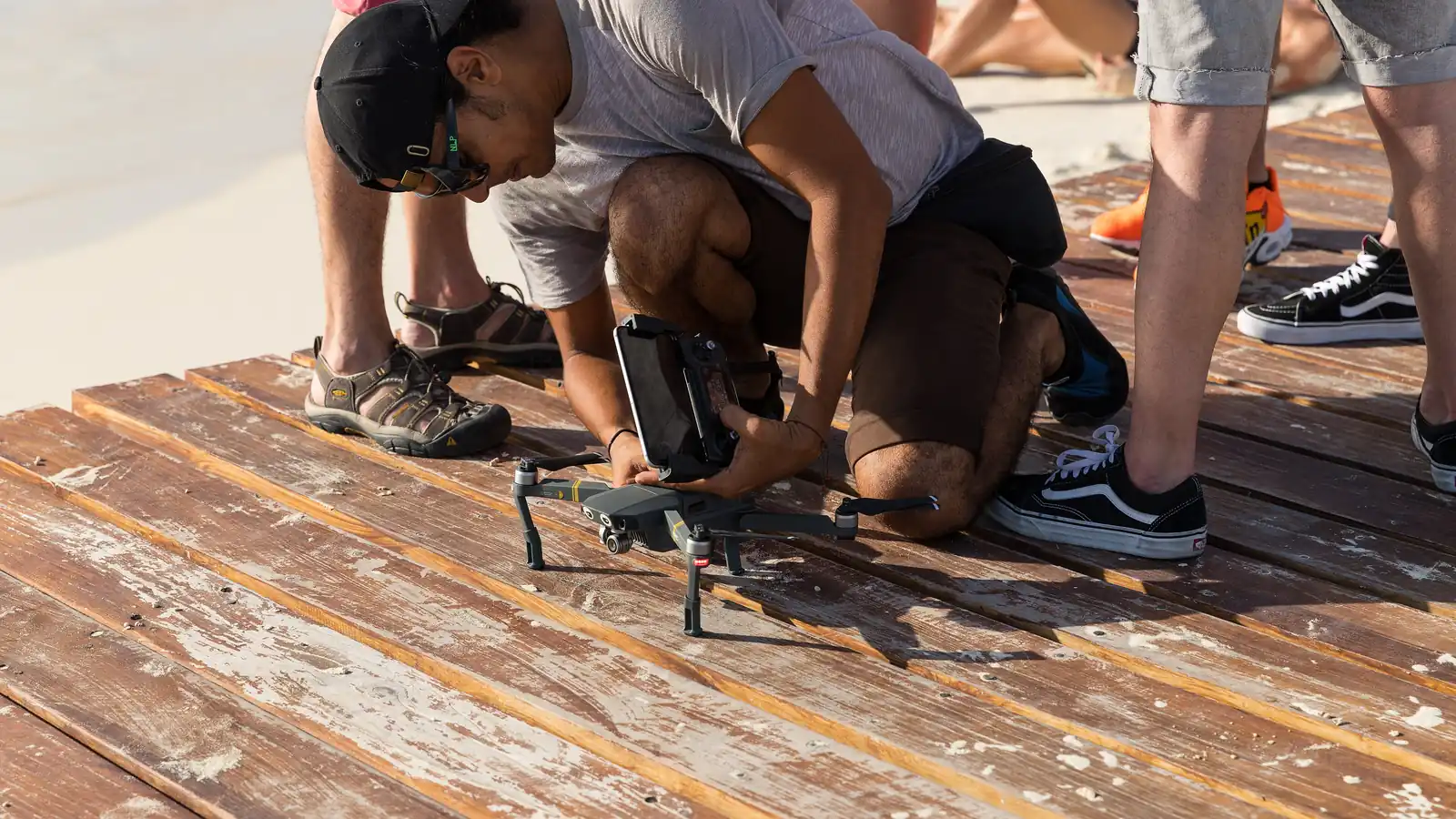
Remote work creators and Bali drone compliance 2027 will mean more documentation, earlier submissions, and stricter airspace checks. By 2027, most commercial-style drone content near south Bali will require a formal permit and, for heavier drones above 2 kg, a qualified remote pilot license under Indonesian rules linked to PM 180/2015 and its updates.
How will drone rules for remote work creators in Bali change by 2027?
By 2027, remote work creators and Bali drone compliance 2027 will be driven by tighter enforcement of existing aviation laws rather than brand‑new “social media” regulations. The legal base already exists in Indonesia’s Aviation Law (UU No. 1 Tahun 2009) and the link between Permenhub 180 2015 and drones, as later refined by PM 47/2016 and PM 37/2020. These documents require permits for many non‑recreational flights and additional approval inside controlled airspace or KKOP airport zones.
For Bali, this directly affects popular creator hotspots within roughly 15 km of Ngurah Rai Airport, covering Kuta, Seminyak, Canggu’s southern edges, Jimbaran, and Nusa Dua. Authorities increasingly use online monitoring and public reporting. By 2027, creators monetising content, brand work, or selling stock footage are more likely to be treated as “commercial” and asked for written permits and airspace clearance proofs, even for short reels or vlogs.
Remote creators can still fly legally, but should expect earlier planning, more structured risk assessments, and closer checks on altitude, visual line of sight, and proximity to crowds, wildlife, and infrastructure. Those ignoring the rules within KKOP risk fines or aircraft‑safety investigations under Article 210 of the Aviation Law.
Is a Bali drone permit needed for TikTok or Instagram creator work?
Many digital nomads assume casual TikTok or Reels footage is “just a hobby”. However, regulators focus on aircraft safety, not follower count. If a flight supports business activity—sponsored posts, hotel campaigns, product launches, retreats—Bali drone permit for TikTok creators is increasingly treated the same as any other commercial shot.
Inside KKOP or controlled airspace around DPS airport, PM 37/2020 and PM 90/2015 mean permits are mandatory, regardless of platform. This requires coordination with DGCA (Ditjen Hubud), AirNav, and the airport authority, usually at least 14 working days in advance as of August 2026. Outside KKOP, local rules, altitude limits, and land‑owner permissions still apply, particularly at viewpoints, beaches, and cliffs.
By 2027, brands and hotels are expected to request proof of legal compliance before sharing or sponsoring drone footage, to avoid association with unlawful flights. Creators who can show permit letters, airspace approvals, and proof of pilot competence will have an advantage for paid collaborations and long‑term partnerships in Bali.
Should I self‑apply for a Bali drone permit or use an agent in 2027?
Remote creators deciding on self apply Bali drone permit vs using agent should weigh time, language skills, and risk tolerance. Self‑application can suit low‑risk, non‑KKOP areas, provided the pilot can navigate Indonesian documents, aviation terminology, and online portals. Requests typically go to DGCA/DKPPU and AirNav at least 14 working days before the flight as of August 2026.
The benefits of using Bali drone permit specialist services grow with complexity. For KKOP airspace, multi‑day productions, or jobs near ports, heliports, and power lines, an experienced intermediary helps map controlled airspace, coordinate SMS‑FSC, and align with airport stakeholders. This is similar to how large productions follow bali drone permit strategies for mega events 2027, just scaled down for smaller creator teams.
By 2027, authorities may rely more heavily on digital systems and risk assessment formats. Specialists used to these workflows can reduce back‑and‑forth questions, which is important if the crew is only on Bali for a short project window and cannot reschedule easily.
What training and technical standards will remote pilots need in Bali?
Remote work creators using heavier platforms will feel more pressure to show competence. Questions like “is drone license required in Indonesia” are already common, and by 2027 the answer for commercial work above certain thresholds is increasingly “yes, or at least recognised training.” Remote pilot license courses in Bali are expected to focus on Indonesian regulations, airspace classes, NOTAM interpretation, and operational risk assessment.
Weight categories for drones in Indonesia influence which rules apply. Lighter consumer drones under approximately 2 kg may fall under simpler conditions, while heavier aircraft or custom FPV rigs attract stricter oversight, especially around crowds and buildings. Remote pilot training also drills basic airworthiness checks, including propeller inspection checklists for drones and verifying firmware, compass calibration, and return‑to‑home logic before each sortie.
Remote creators who pass such training and can show certificates—along with clear documentation on who is responsible pilot in command for drones in a team—will find it much easier to answer regulator or client questions on set in 2027, especially in sensitive or congested locations.
How do Bali’s environment, events, and VIP movements shape 2027 drone compliance?
Beyond general aviation law, specific operational risks are driving tighter rules. Wildlife disturbance concerns for drones Bali are rising as more flights occur over coastal nesting sites, rice terraces, and forested valleys. Uncontrolled hovering over animals, temples, or ceremonies is increasingly criticised, and local authorities can deny permits if operations risk disturbing conservation zones or cultural events.
Separately, presidential movement TFRs and drones Indonesia remain a key constraint. Temporary Flight Restrictions apply around visiting heads of state, national ceremonies, and some security operations. In Bali, this can overlay with KKOP and tourist zones, making last‑minute drone flights around summit venues or high‑profile hotels especially sensitive in 2027.
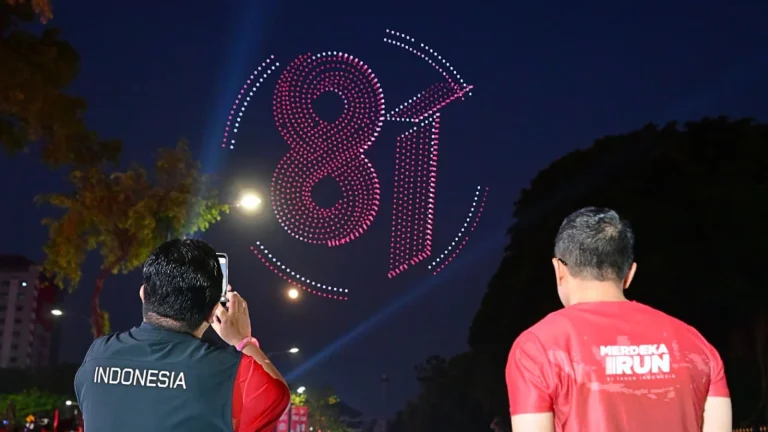
Event planners must also manage drones and laser show conflicts Bali. Night‑time sky‑beam effects or drone light shows usually require additional permits and deconfliction with nearby UAS filming crews. Official processes may mirror those used for drone light shows, which already involve DGCA exemption/SORA, AirNav risk analysis, NOTAMs, and SMS‑FSC, often 30–45 days ahead for complex KKOP venues as of August 2026.
What practical planning steps should remote creators take for Bali in 2027?
Practical workflow will matter as much as formal rules. Creators should first identify safe takeoff and landing sites for drones Bali, with at least a few metres of clear space, stable ground, and separation from bystanders. Clifftops and rice terraces can present wind shear and limited retreat options; scouting in daylight before any golden‑hour flight becomes essential.
Production planning should document the responsible pilot in command, aircraft specs, and weight categories for drones in Indonesia thresholds, then align with permit applications and insurance. Gear planning must also factor spare parts availability for drones in Bali; while major tourist hubs can source batteries and props, certain niche models or FPV components may require advance ordering or bringing extras from abroad.
Budgeting for 2027 should assume permit and handling costs vary by risk level and location. Guides such as bali drone permit pricing scenarios for 2027 shoots help set expectation ranges, from lean single‑day creator runs in non‑KKOP areas to multi‑location campaigns that need airport coordination and local government letters.
- Typical permit lead time for controlled or KKOP airspace: 14 working days minimum as of August 2026, longer (30–45 days) for complex venues.
- Core legal framework: Aviation Law UU No. 1 Tahun 2009, PM 90/2015, PM 180/2015 as amended by PM 47/2016, and PM 37/2020 on unmanned aircraft.
- KKOP–related no‑fly guidance: practical avoidance of up to 15 km radius around Ngurah Rai Airport covering major south Bali resorts.
- Minimum planning pack: location maps, flight altitudes, dates, aircraft specs, pilot credentials, and insurance summary.
- Key authorities in the permit chain: DGCA/DKPPU, AirNav/LPPNPI, and airport operator; SMS‑FSC is used for Flight Security Clearance.
- Operational routine: site recce, propeller inspection checklists for drones, compass/RTH tests, and ground‑crew brief before launch.
- Post‑flight records: logs of flight paths, incidents, and any public complaints stored for future permit support.
Frequently asked questions
is drone license required in indonesia
For purely recreational flying in uncongested, non‑KKOP areas, a formal license is not always requested. For commercial work, heavier drones, or operations in controlled airspace and KKOP, Indonesian regulators increasingly expect a recognised remote pilot qualification or documented training, plus permits. By 2027, serious creators should assume formal skills proof will often be required.
berapa biaya permit drone untuk drone shot sunrise?
Costs depend on location, airspace class, and whether KKOP or controlled airspace is involved. For a simple sunrise in non‑KKOP areas, permit and handling might sit at the lower end of typical quote ranges. For KKOP beaches or cliff views, prices rise due to extra coordination. All figures are quote‑based and case‑specific as of August 2026.
what is included in remote work creators and bali drone compliance 2027?
By 2027, compliance typically covers airspace analysis, written permit submissions, airport or AirNav coordination where needed, and documentation proving who is responsible pilot in command for drones. It often adds location scouting for safe takeoff and landing sites, risk assessments, and post‑flight reporting that creators can show to clients, brands, or authorities.
how does Permenhub 180 2015 affect small creator drones?
Permenhub 180/2015, as adjusted by PM 47/2016, sets the basic requirement that many non‑recreational drone flights obtain DGCA approval. Even for small camera drones, paid or sponsored work can fall under these rules. Weight and flight location shape the exact obligations, but creators should not assume “small” automatically equals “permit‑free”.
why use a drone permit Bali service instead of handling everything alone?
Using a specialised drone permit bali service helps remote creators reduce language barriers, avoid procedural mistakes, and align production dates with official lead times. Specialists familiar with KKOP, SMS‑FSC, and local land‑use expectations can streamline approvals, especially for short trips or shoots that include multiple districts or sensitive locations.
To plan compliant 2027‑ready creator flights in Bali, share your draft schedule and aircraft details via WhatsApp 6281139414563 or bd@juaraholding.com (BD desk Juara Holding Group).
Last updated 4 August 2026
Keep Reading
Filming Permits
How Bali Hotels May Handle Guest Drones By 2027
By 2027 most Bali hotels are likely to allow drones only under structured rules: fixed take‑off zones, pre‑registered flights, and…
Filming Permits
2027 Bali Drone Permit Checklist For Global Brands
The core bali drone permit checklist for international brands 2027 has 11 items: DGCA flight permission, AirNav coordination, airport/KKOP approval…
Filming Permits
Drone Permit Strategies For Bali Mega Events 2027
Bali drone permit strategies for mega events 2027 hinge on starting clearance at least 30–45 days before showtime for KKOP…