2027 Trends In Drone Filming For Bali Tourism
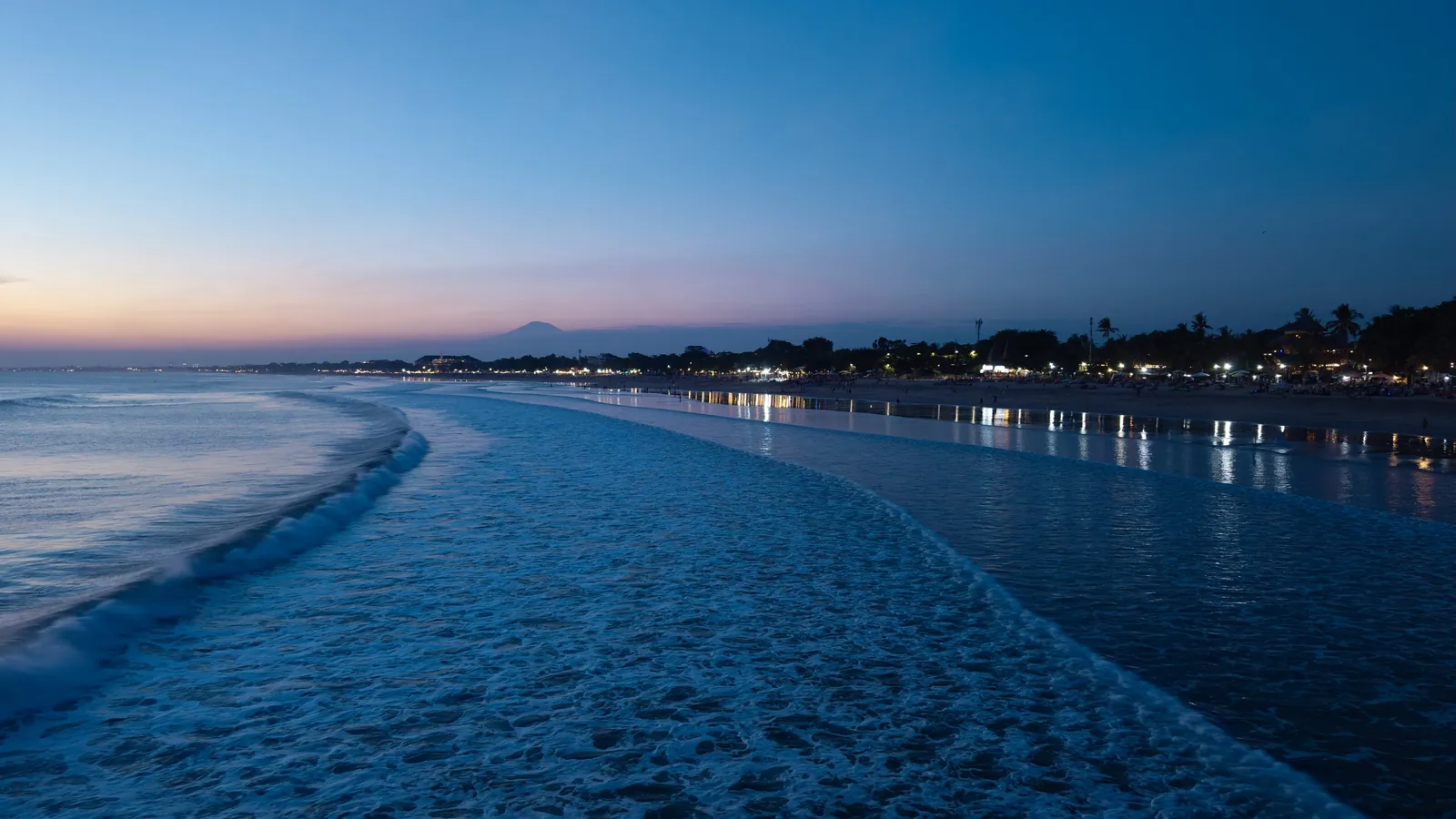
By 2027, tourism boards and resorts in Bali are expected to commission 30–50% more drone-driven campaigns, especially short-form vertical video, AI-assisted edits, and coordinated drone swarm shows. The biggest change will be tighter but clearer multi-regency permits, so compliant aerial content becomes a core part of destination marketing instead of an occasional add-on.
How will Bali tourism boards actually use drone footage in 2027 campaigns?
By 2027, provincial and regency tourism offices are projected to rely on drone content as a default layer in most destination campaigns, not a special feature. Campaign briefs already request at least one aerial master shot per hero video, and by peak season mid-2027 this is likely to increase to 3–5 aerial segments tailored for social platforms.
Tourism boards will focus on short, story-led sequences: sunrise coastal reveals, village cultural routes, and “day in the life” sequences stitched from both ground and aerial angles. The push comes from audience performance data in 2025–2026 that showed significantly higher watch-through on reels and shorts with disciplined aerial establishing shots, especially for lesser-known areas outside South Bali.
To execute, tourism boards will need a repeatable bali drone permit for tourism board workflow that covers not only Directorate General of Civil Aviation approvals but also local regency filming letters. Bali Province and regencies such as Badung, Gianyar, Bangli, and Buleleng already request written notification for official campaigns; by 2027 that process is expected to be more structured, with standard templates and lead times harmonised to 10–14 working days.
Tourism boards that get this right will be able to refresh seasonal creative quickly, for example re-shooting temple ceremonies or surf events under clearer rules, instead of delaying every time a new aerial sequence is added to the storyboard.
What will drone policy for Bali luxury resorts look like by 2027?
Luxury properties are moving toward formalised internal policies aligned with national aviation rules and local security concerns. By early 2026, several five-star resorts in Badung had already drafted house rules banning guest-operated drones near pools and villas while still commissioning professional teams for brand content. By 2027 this trend will likely become the norm.
The emerging drone policy for Bali luxury resorts will have three pillars. First, strict “no guest drones” zones near private villas and beach clubs to reduce privacy issues and complaints. Second, vetted professional suppliers using licensed operators and documented talent and location releases. Third, clearer alignment with KKOP and controlled airspace restrictions, especially for resorts inside the practical 15 km buffer of Ngurah Rai International Airport.
Resorts in Uluwatu, Nusa Dua, Jimbaran, Kuta and Seminyak sit in or near zones that often require KKOP-related permits, approvals via SMS-FSC, and risk assessments coordinated through AirNav. Content teams will increasingly depend on external specialists for complex approvals, including support for fpv drone cinematography in bali airport zones 2027 when high-energy resort promos need dynamic close-proximity flying.
By 2027, many resort marketing contracts will likely include a standing clause that any aerial shoot must show proof of permit submissions and insurance coverage before filming dates are confirmed.
How will regency-level permits shape drone filming for tourism campaigns?
Different regencies already interpret drone and filming activity in distinct ways, and this will become more important as tourism boards promote “beyond South Bali” itineraries in 2027. For Badung, home to Kuta, Canggu and Uluwatu, a Badung regency filming and drone permit is frequently required for commercial work, especially at beaches, cliffs and cultural sites overseen by desa adat or local management bodies.
In Gianyar, which includes Ubud and surrounding rice terraces, Gianyar regency drone filming rules typically focus on cultural sensitivity, ceremonies, and crowd safety. Expect greater scrutiny over crowd shots in markets and along narrow roads, with security teams enforcing distance from people and property. In Bangli, with Mount Batur and lake viewpoints, Bangli regency drone filming rules will increasingly address flights near caldera rims, paragliding operators, and sunrise crowds gathering at viewpoints.
Meanwhile, northern coastal campaigns will trigger the need for a Buleleng regency drone filming permit, especially around waterfalls, ports, and marine tourism zones. Here, 2027 campaigns are likely to integrate aerial coastal mapping visuals with community-based tourism storytelling.
Tourism boards and resorts that operate across several regencies will benefit from a coordinated permitting schedule that bundles multiple locations into a single production window, with realistic lead time of 14–21 working days for a chain of provincial, regency, and aviation-related permits, as of August 2026.
Will drone swarm shows near Bali resorts become mainstream by 2027?
High-end resorts and tourism boards are already experimenting with drone light shows for openings and year-end events. As of August 2026, a 100-drone show in Bali typically costs around Rp277–375 million per event, rising to about Rp832 million for 300 drones, excluding content and creative development.
By 2027, expect drone swarm shows near Bali resorts to be programmed as recurring calendar attractions, especially in Nusa Dua, Jimbaran and Uluwatu where beachfront event spaces can be more easily coordinated with airspace constraints. These shows will be marketed not just as one-off spectacles, but as part of broader content ecosystems: cut-downs for social media, resort-branded time-lapses, and tourism-board co-branded destination IDs.
Compliance complexity will also increase. Each swarm show involves an exemption or SORA process with DGCA, NOTAM issuance, and Flight Security Clearance, typically through the SMS-FSC system, plus coordination with local police and regency authorities. Lead times of at least 14 working days for standard sites and 30–45 days for complex KKOP locations near the airport are already common as of August 2026 and are unlikely to shorten.
Tourism boards that plan a series of drone shows for 2027–2028 will likely do so on seasonal schedules, batching approvals and standardising safety documentation to avoid re-inventing the process for every event.
How will safety rules for paragliding, base jumps, roads and markets affect 2027 tourism content?
By 2027, integrated adventure and lifestyle campaigns will increasingly mix aerial and extreme-sport visuals. That makes clear policies for paragliding and drone filming rules Bali and base jump and drone filming regulations Bali vital. Coordinated operations around paragliding sites in Uluwatu or Timbis, and cliff-jumping or base-style events, will require formal risk assessments and separation plans between manned and unmanned activities.
Tourism boards will want dynamic footage of markets, road trips and scooters. Yet crowded market drone filming rules Bali will almost certainly harden against low-altitude flights over people. Expect requirements such as minimum lateral separation from crowds, capped altitudes, and mandatory use of safety observers. For traffic and roadway drone filming Bali, authorities will progressively insist on plans that avoid distraction risks for drivers, or in some cases, temporary traffic control during complex shots.
On the legal side, campaigns with identifiable guests, staff, or performers will increasingly require a documented talent release for drone filming Bali. This will matter both for privacy compliance and for future reuse of footage across global campaigns. By 2027, production houses working for international brands are likely to enforce releases as strictly as they do in major markets like Europe or Australia.
Marketers who plan early will be able to integrate these rules into call-sheets and location agreements instead of treating them as last-minute hurdles that shrink the shooting plan.
How can agencies and brands budget for ongoing drone content in Bali by 2027?
Tourism boards and hotel groups moving from one-off aerial shoots to continuous content will need predictable commercial models. One emerging structure is the retainer model for agencies filming often in Bali, where a production partner handles recurring permits, seasonal shoots, and asset management for a fixed monthly or quarterly fee range instead of individual per-day quotes.
As of August 2026, pricing is usually quoted per project, with total costs depending on aircraft type, location complexity, and KKOP exposure. For 2027, expect retainers to be indexed to a certain number of shooting days per quarter and capped flight hours. This helps tourism boards lock in budgets while suppliers maintain steady capacity and relationships with authorities.
Brands that routinely activate Bali-based creators will also need guidance tailored to remote work creators and bali drone compliance 2027, especially where foreign influencers and content teams are involved. Centralised compliance support will reduce the risk of multiple small, informal shoots generating regulatory issues.
Finally, more advanced teams will dovetail their ground logistics with emerging u-space and drone traffic management over bali 2027 frameworks, ensuring that each flight is both legally cleared and technologically deconflicted with other airspace users.
- Typical lead time for a bali provincial government permit for filming with drones is 10–14 working days for straightforward locations, as of August 2026.
- Filming inside practical 15 km KKOP buffers near Ngurah Rai often requires a dedicated kkop drone permit bali workflow plus Flight Security Clearance.
- Regency-level letters (Badung, Gianyar, Bangli, Buleleng) are often required in addition to DGCA permissions for tourism campaigns.
- Drone swarm shows in Bali typically need 14–45 working days of permit processing depending on proximity to controlled airspace, as of August 2026.
- Content gaps in Bali drone law guides often involve missing detail on talent releases, market filming, and roadway shots, which 2027 marketers must address contractually.
- Professional campaigns usually document location permissions, talent releases, insurance certificates, and risk assessments alongside aviation permits.
- Retainer setups for frequent filming typically bundle permits, scheduled shoots, and asset archiving into quarterly or annual scopes.
Frequently asked questions
how much does 2027 trends in drone filming for bali tourism cost in Bali?
Costs vary widely. A simple one-day compliant shoot for tourism content might sit in the low tens of millions of rupiah, while complex multi-location or KKOP-heavy projects can reach six-figure USD ranges, especially if drone swarm shows are included. All serious work is quote-based as of August 2026 and depends on scope, locations, and risk profile.
is 2027 trends in drone filming for bali tourism worth it in Bali?
For tourism boards, resorts and brands, investing in compliant drone content is usually worthwhile because aerial footage strongly improves engagement and destination recall. The key is integrating permits, safety plans, and talent releases from the outset so assets can be reused globally without legal risk and without last-minute restrictions reducing creative options.
what is included in 2027 trends in drone filming for bali tourism?
In practice it includes strategic aerial storytelling, aviation permit planning, provincial and regency filming permissions, risk assessments for markets and roads, and coordination for any KKOP or swarm-show activity. Professional providers usually add ground support, safety observers, and legal paperwork such as talent and location releases so tourism content can be widely distributed.
How do Bali regency rules affect drone filming for tourism campaigns?
Each regency can request its own filming letters and impose local conditions. Badung may emphasise coastal crowd safety, Gianyar cultural sensitivity, Bangli volcanic and highland risk, and Buleleng coastal and waterfall access. Tourism campaigns spanning multiple regencies should consolidate permit requests, align schedules, and build in extra days for on-the-ground coordination.
What are the main content gaps in Bali drone law guides for tourism marketers?
Public guides often summarise national no-fly zones but under-explain talent releases, market and roadway filming, resort privacy rules, and the interplay between KKOP, provincial permits, and regency letters. Tourism marketers planning 2027 campaigns should seek tailored guidance that links these layers to real production workflows instead of relying only on generic summaries.
To plan compliant 2027 drone content or events for Bali tourism, share your brief and target dates via WhatsApp 6281139414563 or email bd@juaraholding.com (BD desk Juara Holding Group).
Last updated 4 August 2026
Keep Reading
Filming Permits
How Bali Hotels May Handle Guest Drones By 2027
By 2027 most Bali hotels are likely to allow drones only under structured rules: fixed take‑off zones, pre‑registered flights, and…
Filming Permits
Remote Creators And Bali Drone Compliance In 2027
Remote work creators and Bali drone compliance 2027 will mean more documentation, earlier submissions, and stricter airspace checks. By 2027,…
Filming Permits
2027 Bali Drone Permit Checklist For Global Brands
The core bali drone permit checklist for international brands 2027 has 11 items: DGCA flight permission, AirNav coordination, airport/KKOP approval…