Bali Drone Permit Bali provides bali drone permit full production support for international productions needing legal aerial filming. Typical permit chains for KKOP or airport‑adjacent areas take 14–30 working days, and multi‑day productions often require 8–20 separate clearances. All flights are operated via licensed Indonesian AOC operators, not by our company.
How does full production support for Bali drone permits actually work from prep to wrap?
The service is designed for productions that need more than a one‑off aerial filming permit Bali. From the first location list, a local production fixer drone compliance Bali specialist maps which shots fall inside KKOP, controlled airspace, coastal protection zones, turtle nesting beach drone restrictions Bali, and village or temple jurisdictions.
As of August 2026, standard workflow includes DGCA/DKPPU submissions 14 working days before flight, AirNav/LPPNPI risk coordination, and, if required, Flight Security Clearance through the national SMS-FSC system for sensitive areas. In 2025–2026, this structure has supported fashion campaigns in Canggu, tourism commercials in Ubud, and episodic productions requiring repeated dawn flights near, but not inside, Ngurah Rai’s 15 km airport zone.
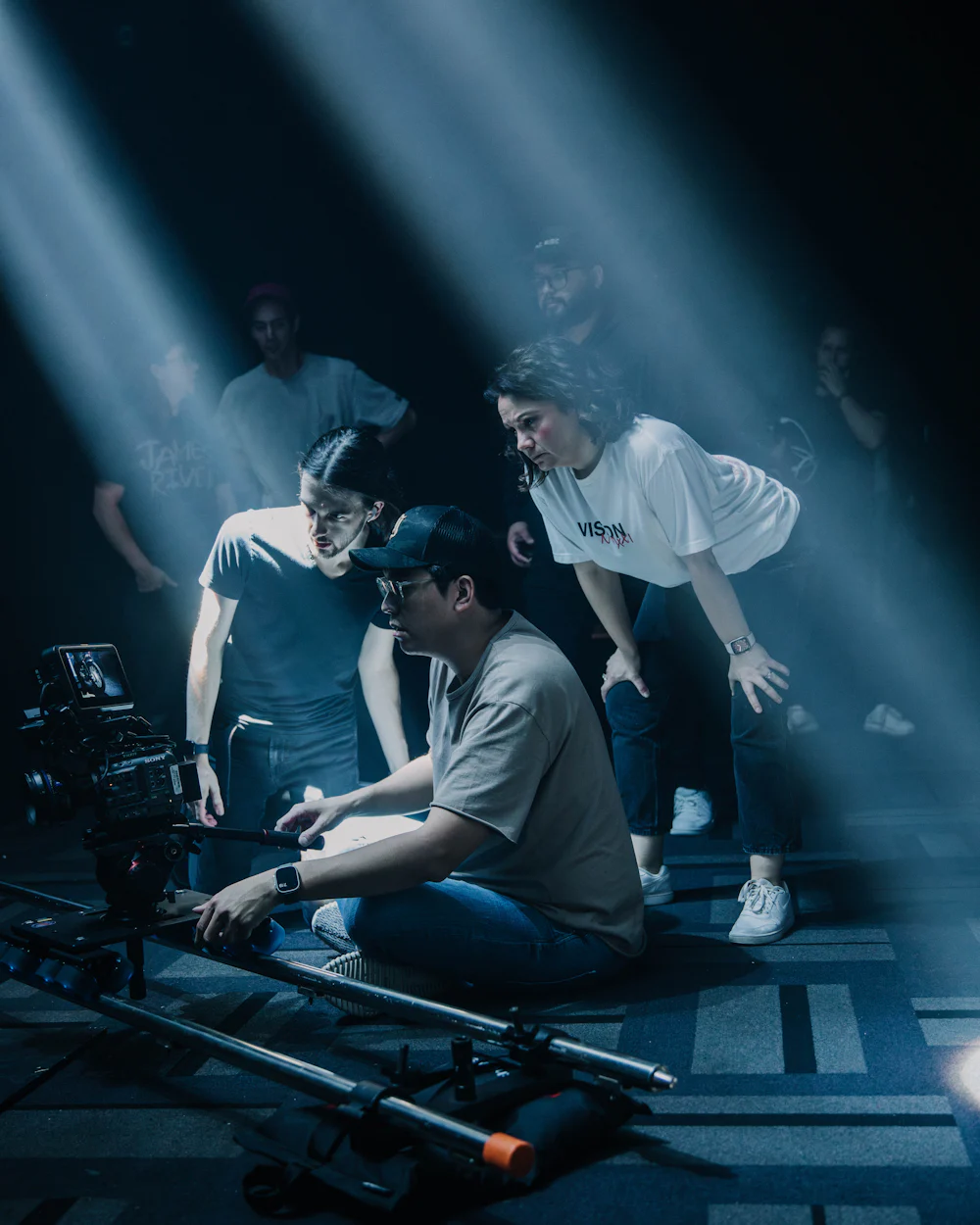
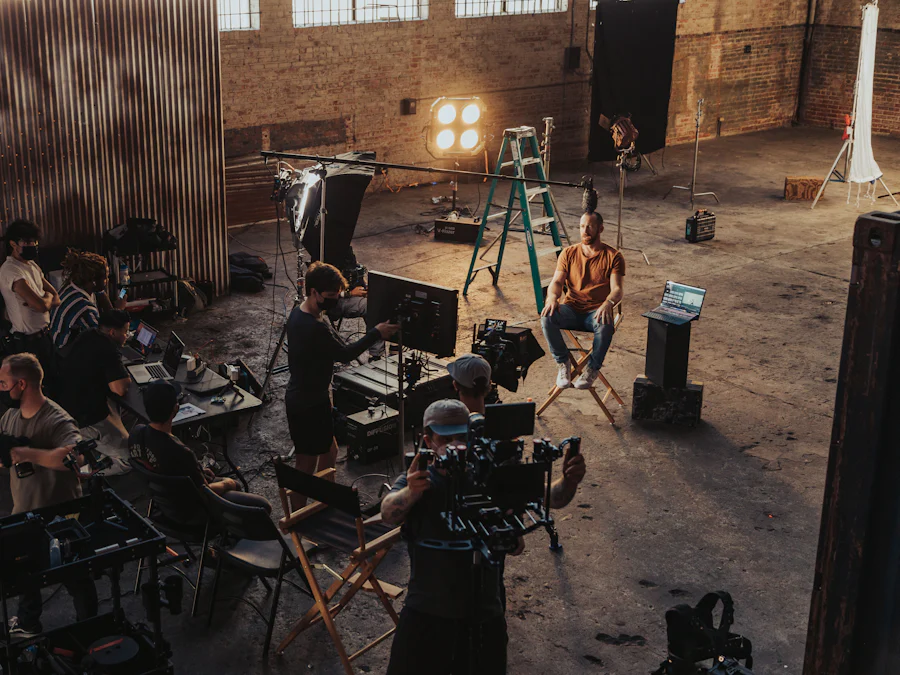
On shoot days, a bilingual on‑site coordinator tracks permit windows, communicates with licensed AOC operators, and adjusts shot lists in real time if airspace or weather changes. After wrap, authorities may request flight logs or visual proof of compliance; these are collated and submitted through the same official written channels used for initial approvals.
Why choose a Bali drone production company with permits instead of only a local production house?
Many local houses can source cameras and crew, but not all understand PM 90/2015, PM 180/2015 jo. PM 47/2016, and PM 37/2020 or how they interact in airport KKOP areas around Ngurah Rai. A Bali drone production company with permits integrates legal airspace planning into creative and logistical choices from day one.
Between 2023 and early 2026, several foreign units that engaged only generic service production still had to retrofit compliance after location scouts placed key scenes inside controlled airspace or KKOP zones without permits. That meant changing locations days before shooting, rehiring drone teams via licensed AOC operators, and re‑submitting concepts to authorities.
Using specialised support reduces this risk. For example, a 2026 food brand campaign in Sanur and Nusa Dua required shifting three storyboarded drone moves outside the 15 km airport buffer to comply with national guidance, without losing the creative intent. Strategic planning like the bali drone permit strategies for mega events 2027 approach is applied even to smaller commercial shoots, so aerial units land with clear, legal options already mapped.
How are fashion, tourism and advertising campaigns handled from a compliance and creative standpoint?
Fashion and tourism productions often prioritise sunrise beaches, cliffs, and resort rooftops—many of which are inside controlled airspace or environmentally sensitive zones. Bali Drone Permit Bali has dedicated workflows for each genre. For a bali drone permit for fashion campaign, treatment breakdown happens early, flagging all aerial beats that require KKOP clearance, coastal permits, or village letters.
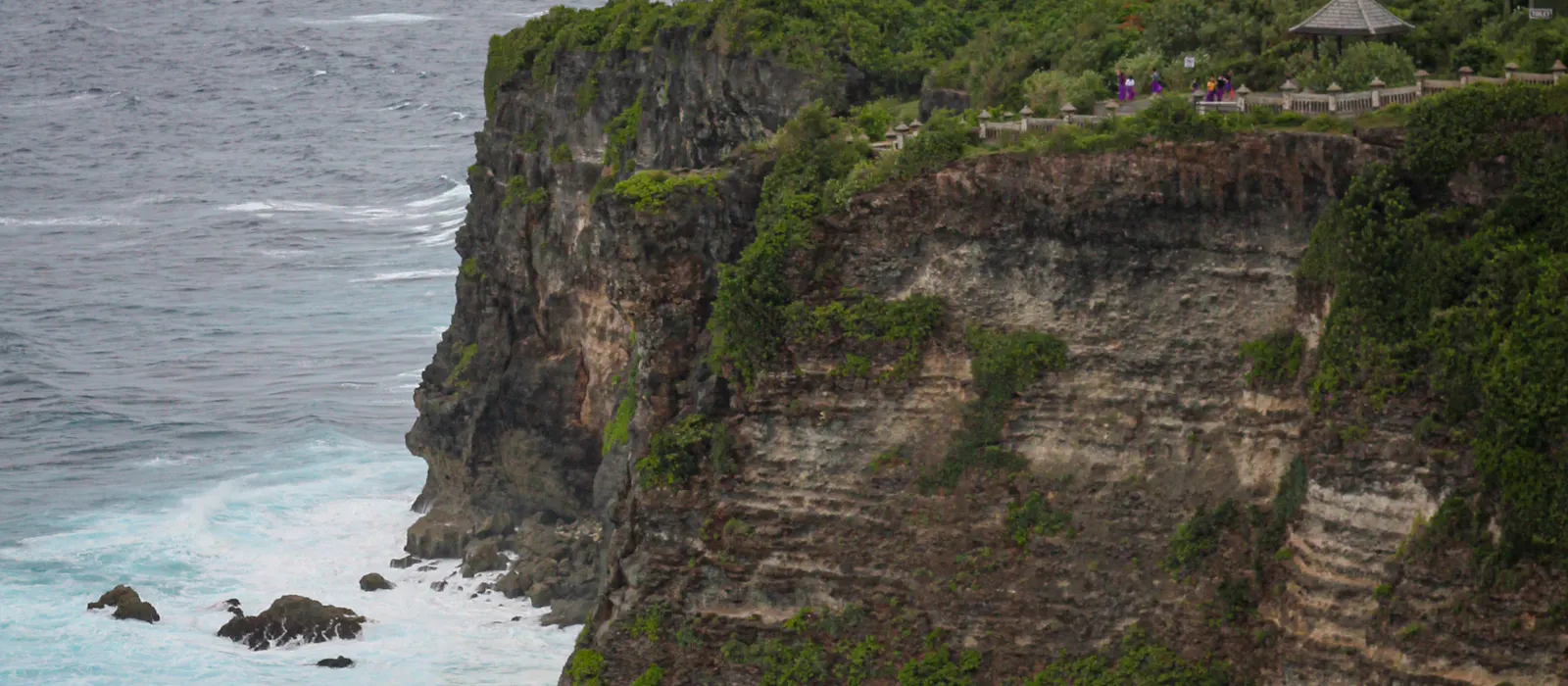
In 2024–2026, production teams for beauty and apparel brands shot near Tanah Lot, Canggu, and Uluwatu with legal aerials after adjusting altitudes below 400 ft outside KKOP, and securing additional written approvals where temple or customary rules applied. As of August 2026, campaign timelines usually allocate 3–5 weeks lead time so office approvals and local cultural permissions run in parallel.
Advertising units often ask: drone permit bali vs hiring local production house? The practical answer is that a compliance‑centric team ensures boards, budgets, and schedules reflect what can legally fly. That means building options—one version for full drones, another using cranes, FPV indoors, or helicopter plates—before lock‑off, instead of discovering on tech scout that a hero cliff lies squarely inside a no‑fly zone.
How does bilingual crew and translation support help with authorities and on‑set communication?
Many visiting productions rely on English only, yet key documents and briefings from DGCA, AirNav, airport authorities, and local government often arrive in Indonesian. Bali drone bilingual crew mitigate misinterpretation, especially where regulators cite specific articles of UU No. 1/2009 or mention KKOP constraints verbally during coordination calls.
A designated Bali drone translator for authorities facilitates calls and written exchanges, then distils outcomes into concise English notes for producers, line producers, and aerial DPs. For example, in mid‑2025, a European series avoided re‑submitting its concept because the first response from Jakarta—initially read as a rejection—was translated accurately as a conditional approval requiring altitude and buffer adjustments.
On set, bilingual drone supervisors relay instructions from AOC operators and adjust pilot behaviour if nearby traffic changes, such as helicopter movements or emergency flights. This clarity prevents avoidable infringements and reassures clients’ legal teams that the project is being run in line with evolving national rules like those outlined in the bali drone permit regulations 2027 update.
How are sensitive locations like airport KKOP and turtle nesting beaches in Bali treated?
Indonesian regulations treat KKOP around airports and certain protected zones as high‑risk areas. Around Ngurah Rai International Airport, practical guidance since 2024–2026 advises avoiding a 15 km radius for drones unless explicit permissions via DGCA, DKPPU, AirNav, airport authorities, and where needed SMS-FSC are secured. Productions often discover late that major resort and beach clusters fall inside this buffer.
Environmental constraints are also significant. Turtle nesting beach drone restrictions Bali apply seasonally on some coasts, especially during main nesting months such as roughly May to October, depending on location. Local authorities and conservation groups may further tighten rules at night, even if aviation regulations could technically allow flight with proper clearance.
Full production support assesses each requested spot against aviation, environmental, and cultural frameworks. For a 2025 travel film, this led to moving a night shoreline scene inland and replacing drone overheads with stabilized ground gimbal shots, while daylight aerials of the same beach were captured from a legally permitted corridor outside the nesting zone and KKOP boundary.
What specific tasks are included in full production support for legal drone filming in Bali?
End‑to‑end support integrates compliance into schedules, call sheets, and risk management, not just paper permits. Early in prep, producers receive a practical matrix of locations, desired shots, and legal pathways—drone, alternative angles, or no‑fly. This is then aligned with client expectations using tools such as the bali drone permit checklist for international brands 2027.
As of August 2026, aerial support commonly stretches over multiple units: main drone days, second unit plates, and contingency days for weather or traffic delays. Each unit is tied to specific permit windows. On large events or festivals, this may involve daily coordination with security, event control rooms, and multiple licensed AOC operators.
Because the service is an independent civilian company with no AOC and no government affiliation, flights are always executed by third‑party licensed AOC operators, while Drone Permit Bali manages documentation, communication, and practical on‑site oversight so that the legal structure around the production remains coherent across all stakeholders.
- Location risk mapping: KKOP, controlled airspace, tourism zones, and turtle nesting/coastal protection overlays for each proposed aerial shot.
- Permit chain management through DGCA/DKPPU, AirNav/LPPNPI, airport authority, local government, and SMS-FSC for Flight Security Clearance where required.
- Bali drone bilingual crew and an on‑call Bali drone translator for authorities during prep and shoot days.
- Daily on‑site monitoring of approved flight windows, altitudes, and coordinates with direct contact to licensed AOC operators.
- Compliance documentation pack for clients, including copies of approvals, risk assessments, and post‑flight reporting if requested.
- Creative adaptation support for fashion, tourism and advertising campaigns when legal constraints require changing shot design or tools.
- Optional coordination with event organisers using frameworks similar to large‑scale drone permit bali service deployments.
Frequently asked questions
do i need a drone permit in bali
For commercial shoots, TV, film, or events, a drone permit in Bali is generally required, especially near airports, controlled airspace, or populated areas. National rules such as PM 37/2020 and earlier regulations require prior approval through DGCA/DKPPU and AirNav. Recreational flying still needs to avoid KKOP and no‑fly areas and obey local rules.
does dji mini under 250g need permit bali
A DJI Mini under 250 g can still require permits in Bali for professional or commercial use, or if flown in controlled airspace, KKOP, or sensitive zones. Weight alone does not exempt operators from aviation laws. Productions using sub‑250 g drones should still plan for formal approvals and documented risk assessments where required.
can you fly a drone at night in bali
Night flying in Bali is tightly controlled. Under national aviation regulations, operations in darkness typically need specific approvals, robust lighting, and additional risk assessments, especially in controlled airspace or KKOP. For professional work, expect to justify the necessity of night shots and build extra lead time into schedules for clearance.
berapa biaya legal drone untuk foreign production di bali?
Costs vary based on shot count, KKOP exposure, number of shoot days, and complexity. As of August 2026, foreign productions typically face a banded budget rather than a flat fee, often starting in the low tens of millions of rupiah and rising for multi‑day or multi‑location jobs. Quotes are customised after reviewing storyboards and locations.
berapa biaya izin drone untuk advertising campaign?
Advertising campaigns usually require several locations and repeat flights, so permit costs scale with complexity. As of August 2026, budgets commonly sit in tiered ranges, from compact one‑day shoots up to region‑wide campaigns involving KKOP or major events. Detailed estimates follow review of scripts, boards, desired altitudes, and environmental sensitivities.
To discuss bali drone permit full production support, share your treatment and location list via WhatsApp 6281139414563 or email bd@juaraholding.com (BD desk Juara Holding Group).
Last updated 4 August 2026