Storyboard and map review
Every shot checked against the regulations before it reaches an application form.
Standard permits 7–14 working days · KKOP zones 30–45
Before the dates are locked
Most storyboards cannot be flown as drawn. We map yours against the actual regulations first, then redesign the angles, timings and altitudes so the shots stay legal.
"Under 2 kg and under 150 m is fine" is the summary that costs productions their shoot dates. It skips several layers of Indonesian and local rules.
The work
DGCA approval
Pilot
Insurance
What we deliver
This is how authorities are likely to read the work, not a legal opinion. The classification is assessed per project — a travel creator with a sponsor and a production company are frequently in the same column.
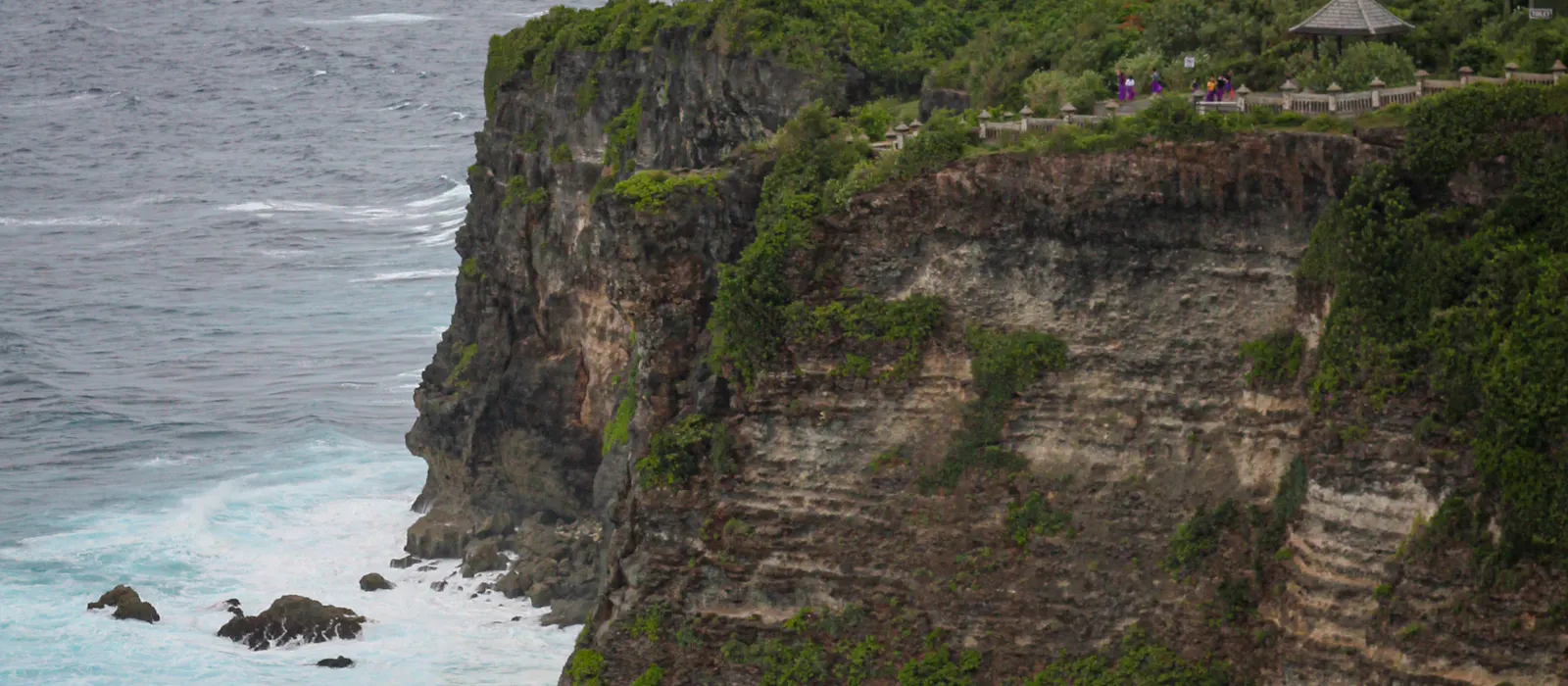
Some of the most requested locations sit in the highest-risk airspace. A temple like Lempuyang touches national aviation rules, the temple authorities and the local customary council at the same time — flying between the gates or above a crowd is a stakeholder question before it is an airspace one.
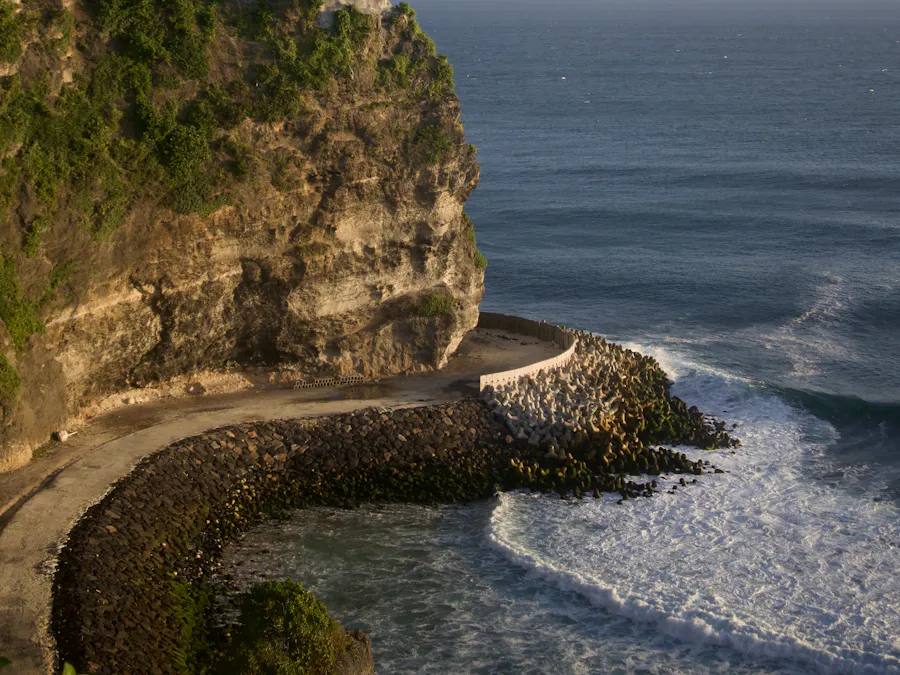
Near Ngurah Rai, most of South Bali sits inside the 15 km buffer. The useful conversation there is not how to get the permit but whether the concept can move outside KKOP, drop to a much lower altitude, or be built from ground gimbals, cranes and post instead.
A sunrise flight near Canggu in July and a temple fly-through at Lempuyang in October are not the same application. Traffic patterns and local customary calendars change what is realistic, which is why the review happens before talent and dates are booked.
The engagement
It starts with a technical call and a location list. What comes back is a route to a legal version of your shoot, with the lead times attached.
Sudden restrictions, VIP movements, weather, a ceremony nobody flagged. The playbook exists before the shoot, not after.
The goal in any unexpected restriction is a safe landing and written notification through the proper channel — never improvising in the air.
Authorities may keep it while permits, flight logs and pilot identity are reviewed. How to document the interaction and which receipts and minutes to request.
The same records become the basis for an insurance claim or an internal risk report. That is why they are collected on the day, not reconstructed later.
Violations inside KKOP that endanger flight safety carry fines to Rp1,000,000,000 and up to three years' imprisonment. That is the reason the planning is structured rather than improvised.
Dates, locations and the shots you want. We come back with which of them are flyable, what has to change, and how long each approval takes.